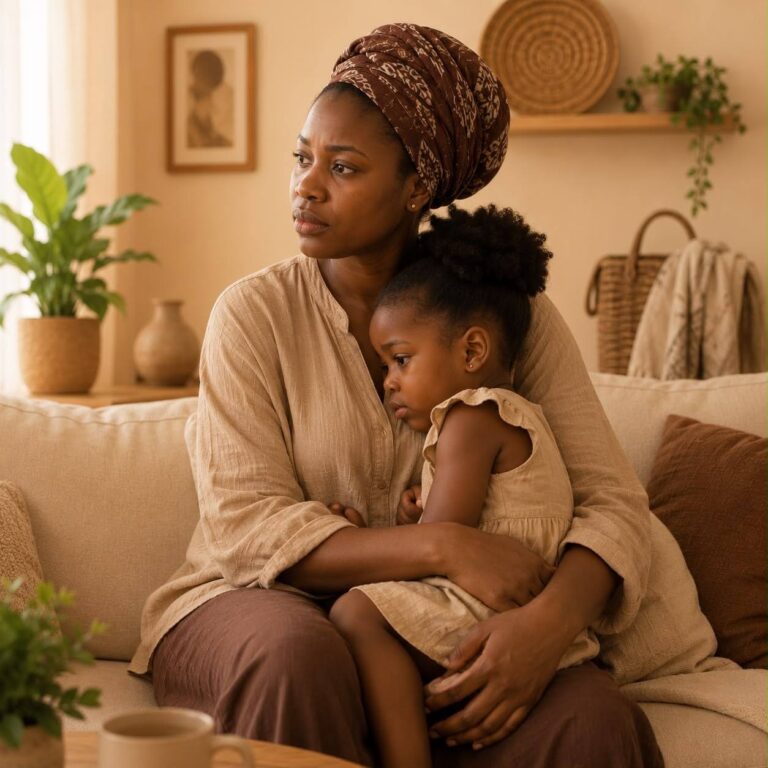
The Strength Behind Her Silence: Single Motherhood in African Communities
She wakes before dawn.
Before the children stir, before the neighbourhood breathes, Amara is already on her feet, boiling water, calculating bus fare, and rehearsing the conversation she must have with her landlord before Friday.
She is mother, provider, protector, and counselor, all before 6 a.m. Across sub-Saharan Africa and within African diaspora communities worldwide, Amara’s story is not an exception. It is a quiet epidemic hiding in plain sight.
Single motherhood in Africa, often stemming from divorce, widowhood, or non-marital childbearing, is rising. These mothers navigate economic hardship, societal stigma, and work-life imbalances. However, they show immense resilience through community networks, collective child-rearing traditions, and strong extended family support systems
The Reality: Who Are African Single Mothers?
Single motherhood in African communities arises from multiple intersecting causes, widowhood, divorce, abandonment, migration, and increasingly, unintended pregnancy among young women with limited access to reproductive health education (UN Women, 2022).
In sub-Saharan Africa, women head approximately 24% of households (World Bank, 2023), many without legal protection, formal employment, or consistent child support.
Cultural stigma compounds the burden. In many communities, single mothers are perceived through a lens of shame rather than strength, cutting them off from the very social networks they need most.
The Hidden Health Crisis
The physical and mental toll is significant and often invisible. Research published in BMC Public Health (2021) found that single mothers in low-income African settings face higher rates of depression, anxiety, and chronic stress compared to partnered mothers risks that escalate when poverty and social isolation are present.
Children in these households are also affected. Food insecurity, reduced access to healthcare, and disrupted schooling create cycles of vulnerability that extend across generations. When a mother’s health deteriorates, the entire household feels the tremor.
At MyLurah, we believe every woman deserves to feel informed, supported, and understood throughout every stage of her reproductive journey. From navigating periods and understanding her body to preparing for pregnancy and adjusting to life after birth, we create a safe space for culturally informed education, meaningful conversations, and community support.
What Support Actually Looks Like
Community networks: Faith-based organisations and women’s cooperatives provide informal safety nets that formal systems often miss. These must be strengthened and funded.
Mental health access: Culturally sensitive counselling and peer support groups reduce isolation and improve resilience (WHO, 2022).
Policy reform: Legal frameworks must ensure child support enforcement, land ownership rights, and access to maternal healthcare regardless of marital status.
Economic empowerment: Microfinance programmes and skills training tailored for single mothers have demonstrated measurable improvements in family well-being across Kenya, Nigeria, and Ghana (African Development Bank, 2021).
She Is Not Alone
There is enormous strength in African single mothers strength forged in sacrifice, sharpened by love. But strength should never be a substitute for support.
If you are walking this road, know this: seeking help is not weakness. It is wisdom. And to communities, health providers, and policymakers, these women deserve more than admiration. They deserve systems built to hold them.
References
- African Development Bank. (2021). Women’s economic empowerment in Africa.
- BMC Public Health. (2021). Mental health outcomes among single mothers in sub-Saharan Africa.
- UN Women. (2022). Facts and figures: Economic empowerment.
- World Bank. (2023). Gender data portal: Female-headed households.
- WHO. (2022). Mental health and psychosocial support in low-resource settings.