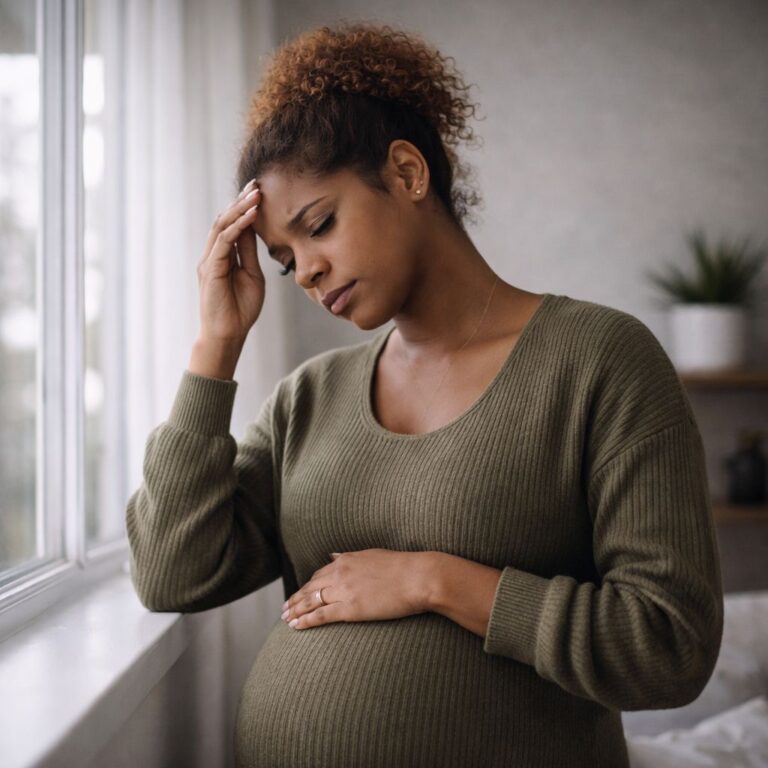
Yes, mental health shifts during pregnancy are real and incredibly common, driven by significant biological, physical, and psychological changes
Most women experience mental health conditions during pregnancy or after giving birth. It can happen to anybody. Depression and anxiety are the most widely recognized psychological well-being issues during pregnancy.
These affect a significant number of pregnant females. Women with a history of mental health conditions are at higher risk, particularly if psychiatric medications are stopped abruptly or without medical guidance during pregnancy.
This is completely normal and does not mean something is wrong with you. Your body is adjusting to growing a baby, and your mind is adjusting too. Mild emotional ups and downs often improve with support, rest, and reassurance, but persistent or worsening symptoms may indicate prenatal depression or anxiety and require professional care.
What are pregnancy mood swings like?
Not every pregnant mood swing has the same appearance or sensation. You could go through happy and sorrowful times. You may giggle excessively at something ridiculous or become furious over the smallest issue.
You may feel irritated or emotionally distant from partners or friends who are not pregnant, which is a common response to the physical and emotional changes of pregnancy.
Your feelings may be showing up as nesting behaviors if you find yourself joyfully engrossed in preparing for baby by creating cribs, washing tiny onesies, and child-proofing cupboards and sharp furniture edges. Enjoy this quiet period of preparation while nurturing that mother instinct.
At Mylurah we’re building a digital platform that centers Black women’s reproductive journeys, including culturally sensitive support for Period, Pregnancy and Postpartum. Because representation in care isn’t optional, it’s essential.
it’s critical to differentiate between typical pregnancy-related mood changes and prenatal depression, which is characterized by persistent sadness, loss of interest, guilt, or hopelessness lasting two weeks or more. Although much progress has been made in identifying and de-stigmatizing postpartum depression, many women are unaware that depression can also occur during pregnancy.
For your personal health as well as the health of your unborn child, it is imperative that you speak with your doctor if you experience constant sadness, dismay, or hopelessness.
These unspoken struggles are often hidden behind polite smiles, yet they silently affect the emotional well-being of many mothers.
How can you manage mood fluctuations during pregnancy?
Although mood swings are a common side effect of developing a mini-human within your body (and a modest price to pay), there are certain tactics you can use to better control them if they’re interfering with your daily life at home, at work, and everywhere in between.
Eat Healthy
Eating regular, nutritious meals helps stabilize blood sugar levels, which can reduce irritability and emotional volatility.
Get some exercise
Exercise is an excellent stress reliever and mood enhancer. If you’re feeling blue or cranky, try some light, low-impact aerobics, such as walking or swimming. Outdoor exercise earns bonus points since the fresh air refreshes and energizes you. Furthermore, the production of endorphins promotes sentiments of optimism and contentment.
Yoga, meditation, and mindfullness-based practices have been shown to reduce anxiety and depressive symptoms during pregnancy.
Prioritize sleep
Getting a good night’s sleep is crucial throughout pregnancy. You may attempt to make the most of the sleep you do get throughout the first trimester by adhering to a nightly routine, keeping a morning schedule, and taking naps when necessary, even if it may seem impossible to feel fully rested.
Despite the general discomfort you are probably experiencing as labor approaches, try your best to encourage calm. Before going to bed, practice breathing techniques and use pillows to support yourself in whatever way that makes you feel reasonably comfortable (keep in mind that side sleeping is ideal during the third trimester, though).
Lastly, remember that this is your time to take a sleep if there is ever a good reason to do so.
Speak with your loved ones.
Make sure your loved ones are aware of your feelings and struggles. Tell them that sometimes you may lose your temper or respond in an unexpected way.
Discussing this might help you and your loved ones communicate more easily in the event that a problem arises.
You can also think about making connections with other expectant mothers who can identify with your current situation. Join a local community-based group or use social media to create a virtual one of your own.
Strong social support during pregnancy is associated with lower rates of prenatal depression and anxiety..[P.S my sources WHO, CDC,NIH, HAVARD HEALTH, ACOG].
.
By joining MyLurah community group, you can take advantage of the platform and improve your chances of meeting people of like mind who are ready to listen to you and offer solutions anytime.
WRAP UP
Pregnancy brings many changes, not just to the body but also to the mind, and these mental health shifts are completely real and normal. Feeling emotional, worried, or mentally tired doesn’t make you a bad mother, it simply means your body and mind are adjusting to a big life change.
What matters most is paying attention to how you feel and asking for support when you need it. Whether it’s talking to a doctor, leaning on a friend, or taking more time to rest, every small step helps. You’re not alone, and with the right care, you can go through this journey feeling stronger and more supported.
If you feel like your emotions are taking on a life of their own, if your anxiety is hampering your ability to function, and/or if you are perpetually depressed, you should seek help.
Talk to your obstetrician or a psychologist. Prenatal depression and anxiety are common, and it’s nothing to feel shame over. You should be enjoying this exciting time of life, so take a step to reclaim your happiness by reaching out to a professional.
Read Also: