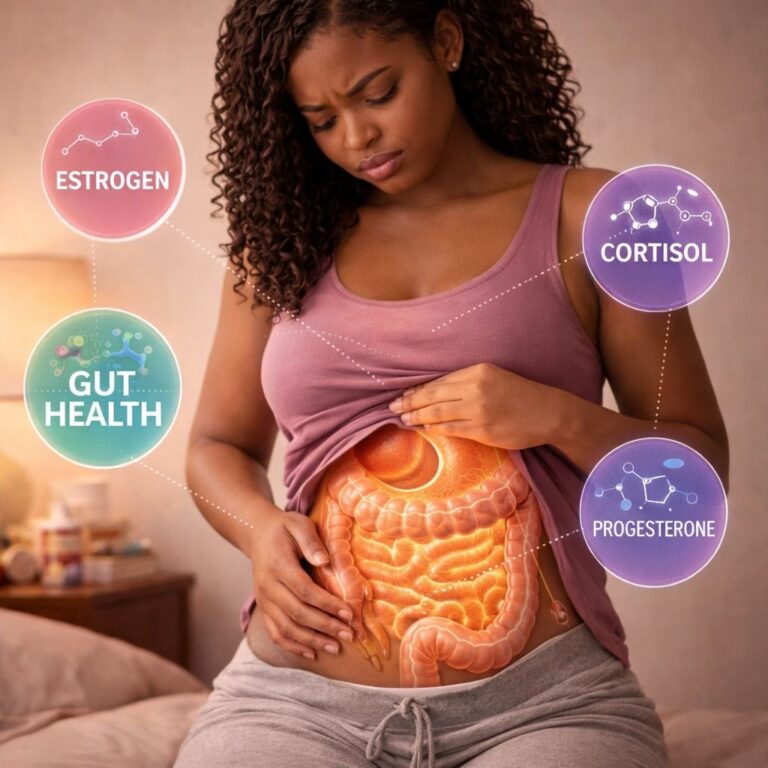
Many people think of gut health and hormones as separate concerns, but science increasingly shows they are deeply connected.
Your gut does far more than digest food it plays a significant role in producing, regulating, and eliminating hormones that affect your mood, energy, weight, menstrual cycle, stress levels, and overall wellbeing.
Understanding this connection can help you make informed choices that support both your digestive and hormonal health.
How the Gut and Hormones Are Connected
The gut is home to trillions of microorganisms collectively known as the gut microbiome. This community of bacteria, fungi, and other microbes influences hormonal balance in several important ways:
- The gut produces around 90% of the body’s serotonin, a hormone that regulates mood, sleep, and appetite
- Gut bacteria are involved in oestrogen metabolism, and alterations in this process may influence hormonal balance
- The gut communicates directly with the brain through the gut-brain axis, influencing cortisol, the body’s primary stress hormone
- An unhealthy gut can trigger inflammation, which disrupts the production and function of key hormones including insulin, thyroid hormones, and reproductive hormones.
At Mylurah we’re building a digital platform that centers Black women’s reproductive journeys, including culturally sensitive support for Period, Pregnancy and Postpartum. Because representation in care isn’t optional, it’s essential.
Signs Your Gut Health May Be Affecting Your Hormones
It is not always obvious when an imbalanced gut is driving hormonal symptoms. Watch out for:
- Bloating, constipation, or diarrhoea alongside mood swings or irregular periods
- Persistent fatigue that does not improve with rest
- Unexplained weight gain, particularly around the abdomen
- Skin breakouts linked to your menstrual cycle
- Anxiety, low mood, or brain fog with no clear cause
- Sugar cravings and energy crashes throughout the day
How to Support Your Gut for Better Hormonal Health
The good news is that small, consistent changes to your diet and lifestyle can meaningfully improve both gut and hormonal health.
Eat a diverse, fibre-rich diet. Fibre feeds beneficial gut bacteria and supports the elimination of excess hormones. Include plenty of vegetables, fruits, legumes, and whole grains in your daily meals.
Include fermented foods. Foods such as yoghurt, kefir, sauerkraut, and kimchi introduce beneficial bacteria into the gut, helping maintain a healthy microbiome.
Reduce processed foods and excess sugar. These feed harmful bacteria, promote inflammation, and can spike insulin levels, disrupting hormonal balance over time.
Manage stress actively. Chronic stress raises cortisol, which may influence gut function and microbiome balance. Regular movement, adequate sleep, and mindfulness practices all help keep cortisol in check.
Stay hydrated. Water supports digestion, helps flush out metabolic waste including excess hormones, and keeps the gut lining healthy.
Limit unnecessary antibiotic use. While antibiotics are sometimes essential, overuse can significantly disrupt the gut microbiome. Always follow medical guidance and consider probiotic support during and after a course of antibiotics.
By joining MyLurah community group, you can take advantage of the platform and improve your chances of meeting people of like mind who are ready to listen to you and offer solutions anytime.
In All You Do:
Your gut and your hormones are in constant conversation. When your gut is healthy and balanced, it supports the production, regulation, and elimination of hormones that keep your body functioning well.
When the gut is disrupted, hormonal imbalances can follow affecting everything from your mood and skin to your cycle and metabolism.
Small, everyday choices around food, stress, hydration, and sleep can go a long way in restoring balance.
However, if you are experiencing persistent or severe hormonal symptoms such as irregular periods, extreme fatigue, unexplained weight changes, or significant mood disturbances it is important to consult a qualified medical practitioner.
These symptoms may require professional investigation and should not be managed on the basis of general information alone. Your health deserves expert attention.