
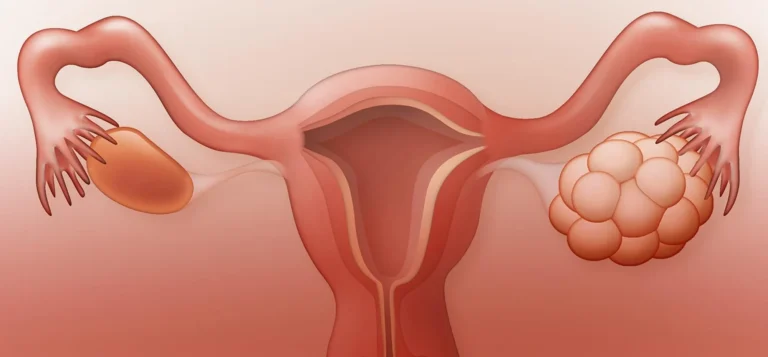
Definition:
What is PCOS?
PCOS, or Polycystic Ovary Syndrome, is a common hormonal condition that affects how your ovaries work. Despite its name, you don’t need to have cysts on your ovaries to have PCOS. It’s one of the most common conditions affecting women of reproductive age, and it’s especially important for Black and African women to know about, as we may experience certain symptoms differently or face delays in diagnosis.
Quick Facts
- PCOS affects about 1 in 10 women of reproductive age
- It can start as early as the teenage years
- It is linked to hormone imbalance and insulin resistance
- Healthy habits can greatly improve symptoms
Causes of PCOS
The exact cause of PCOS isn’t fully known, but it’s linked to a mix of genetic, hormonal, and lifestyle factors.
- The body may produce higher levels of androgens (male-type hormones).
- Insulin resistance can also play a role, affecting how the body manages blood sugar and weight.
- Family history may increase the likelihood of developing PCOS.
How PCOS Shows Up in Your Body
PCOS affects each woman differently, but common signs include:
- Irregular periods: Your cycle might be unpredictable, very long (over 35 days), or you might miss periods altogether
- Heavy bleeding: When your period does come, it might be heavier than usual
- Excess hair growth: You might notice more hair on your face, chest, back, or belly (called hirsutism)
- Acne: Particularly on your face, chest, and upper back
- Weight changes: Some women find it harder to lose weight or gain weight more easily
- Dark skin patches: Darker, velvety skin in body creases like your neck, groin, or under your breasts
- Thinning hair: Hair loss or thinning on your scalp
- Fertility challenges: It might take longer to conceive naturally
What’s Happening Inside
With PCOS, your body produces higher levels of male hormones (androgens) than usual. This hormonal imbalance can prevent your ovaries from releasing eggs regularly, which affects your menstrual cycle and fertility. Your body might also have trouble using insulin properly, which can lead to other health concerns over time.
Did You Know? Many African women experience PCOS but may not be diagnosed early because symptoms can resemble normal cycle changes. Tracking your period and overall wellness, like we encourage on Mylurah, helps you notice patterns and take control of your reproductive health.
Why This Matters for You
As a Black or African woman, it’s important to know that:
- We may be at higher risk for certain PCOS-related complications like insulin resistance and type 2 diabetes
- Our symptoms might look different, for example, we might experience more issues with weight gain and insulin resistance
- Healthcare providers sometimes overlook or misdiagnose PCOS in Black women, so knowing the signs helps you advocate for yourself
Getting Support
If you think you might have PCOS, remember you’re not alone, sister. Many women in our community live full, healthy lives with PCOS. Here’s what you can do:
- Track your symptoms: Use Mylurah to monitor your cycles, symptoms, and any changes you notice
- Seek diagnosis: A healthcare provider can diagnose PCOS through your symptoms, blood tests, and sometimes an ultrasound
- Build your care team: This might include a gynecologist, endocrinologist, nutritionist, or traditional healer who understands your needs
How to Manage PCOS
While there’s no cure for PCOS, there are many ways to manage it:
- You can adjust your Lifestyle in a way that honors your body and culture
- You can seek medications when needed
- You can seek Fertility support if you’re trying to conceive
- You can regularly monitor your overall health
- You can also seek community support and shared experiences
Keep this in mind
PCOS doesn’t define you or limit your dreams. Whether you’re planning for pregnancy, managing your symptoms, or simply understanding your body better, knowledge is power. Your journey with PCOS is unique, and you deserve care that respects your whole self – body, mind, and spirit.
Have questions about PCOS or want to connect with other sisters managing this condition? Join our Mylurah community for support, stories, and strength.
« Back to Glossary Index