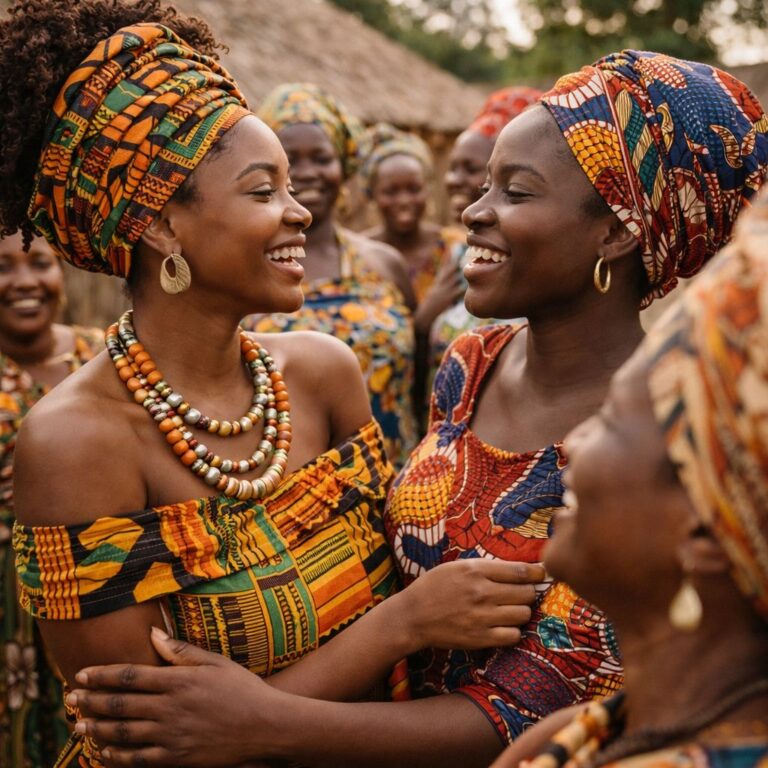
Your health is not shaped by biology alone. Where you come from, the people around you, and the cultural values you carry all play a powerful role in how you live, eat, cope with stress, and seek care.
Culture and community are not just background details they are active forces that influence your physical and mental well-being every single day.
Why Culture Matters in Health
Culture shapes everything from what you put on your plate to how you talk about pain. In many communities, food is deeply tied to identity and celebration, which can be both a source of nourishment and, at times, a challenge when traditional diets conflict with certain health conditions.
Cultural beliefs also influence whether people trust the medical system, how symptoms are described, and whether mental health struggles are openly discussed or kept private.
For example, in communities where seeking help is seen as a sign of weakness, individuals may delay treatment until a condition becomes serious. In cultures where family decision-making is collective, a person may not seek care without consulting elders or relatives first. These are not flaws they are deeply human patterns that healthcare must understand and respect.
At Mylurah we’re building a digital platform that centers Black women’s reproductive journeys, including culturally sensitive support for Period, Pregnancy and Postpartum. Because representation in care isn’t optional, it’s essential.
The Healing Power of Community
Strong community ties are one of the most underrated factors in good health. Research consistently shows that people who feel connected to their community live longer, recover faster from illness, and have lower rates of depression and anxiety.
A neighbour who checks in on you, a religious group that provides support during grief, or a cultural association that keeps you grounded these connections act as a buffer against the stresses of daily life.
Isolation, on the other hand, carries real health risks. Social disconnection has been linked to increased risk of heart disease, cognitive decline, and poor mental health outcomes. This is why building and maintaining community is not just a social nicety, it is a health priority.
Navigating Cultural Barriers to Care
Despite the protective power of culture and community, certain cultural norms can create barriers to accessing healthcare. Stigma around mental illness, mistrust of medical institutions due to historical mistreatment, language barriers, and financial constraints tied to socioeconomic disparities within communities are all real challenges.
Acknowledging these barriers is the first step. Seeking out culturally sensitive healthcare providers those who understand your background and communicate with respect can make a significant difference. Many clinics and health systems now offer interpreter services, community health workers, and culturally tailored programs to bridge these gaps.
By joining MyLurah community group, you can take advantage of the platform and improve your chances of meeting people of like mind who are ready to listen to you and offer solutions anytime.
Building a Healthier Community Together
Health is a shared responsibility. When communities come together through health education initiatives, communal cooking, group fitness, or mental health awareness campaigns they create environments where wellness can thrive. Supporting local health programmes, advocating for better resources in underserved communities, and simply being present for those around you all contribute to a healthier collective.
In All You Do:
Your culture is part of who you are, and it deserves to be part of your healthcare conversation. When communities are strong, informed, and supported, individuals within them have a better chance of thriving.
Recognising how cultural factors shape your health empowers you to make choices that honour both your heritage and your well-being. Every individual’s health journey is unique.