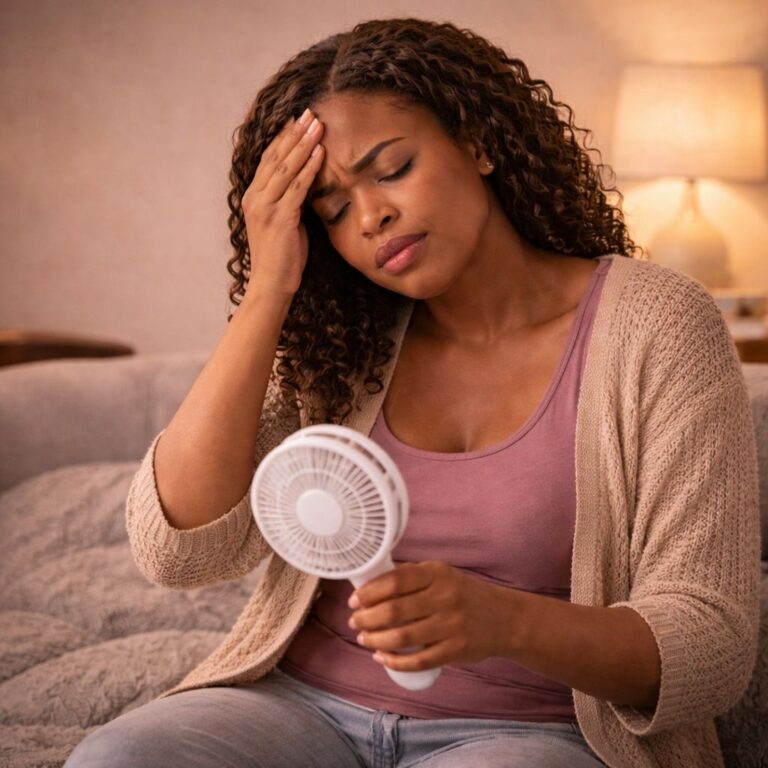
Perimenopause is the transitional phase leading up to menopause the point at which a woman’s menstrual periods stop permanently. This phase can begin as early as the mid-30s, though it most commonly starts in the 40s, and can last anywhere from a few months to over a decade.
Despite being a natural and universal experience for women, perimenopause remains widely misunderstood and frequently goes unrecognised. Many women experience significant physical and emotional changes during this time without realising that hormonal shifts are the cause.
Awareness is the first and most important step toward navigating this transition with confidence and care.
What Happens During Perimenopause
During perimenopause, the ovaries gradually produce less oestrogen and progesterone, the hormones that regulate the menstrual cycle and support many other bodily functions.
This hormonal fluctuation is unpredictable, which is why symptoms can vary greatly from one woman to another.
Periods may become irregular shorter, longer, heavier, or lighter but they do not stop entirely until menopause is reached. Menopause is confirmed when a woman has gone 12 consecutive months without a period.
At Mylurah we’re building a digital platform that centers Black women’s reproductive journeys, including culturally sensitive support for Period, Pregnancy and Postpartum. Because representation in care isn’t optional, it’s essential.
Common Signs and Symptoms
Perimenopausal symptoms can affect the body, mind, and emotions. Common experiences include:
- Irregular or unpredictable menstrual cycles
- Hot flushes and night sweats
- Disrupted sleep and insomnia
- Mood changes including irritability, anxiety, and low mood
- Brain fog, forgetfulness, and difficulty concentrating
- Vaginal dryness and discomfort during sex
- Reduced libido
- Joint aches and muscle stiffness
- Weight gain, particularly around the abdomen
- Changes in skin, hair, and bladder function
Not every woman will experience all of these symptoms, and their intensity can range from mild to severely disruptive. It is important to remember that no two women’s experiences of perimenopause are the same.
How to Support Yourself During Perimenopause
While perimenopause is a natural process, there is much you can do to ease the transition and protect your long-term health.
Prioritise nutrition. Perimenopause is not an illness it is a natural phase of life. Eating a diet rich in calcium, vitamin D, lean proteins, and plenty of vegetables helps support bone density, heart health, and energy levels. Reducing alcohol, caffeine, and processed foods can also help manage symptoms such as hot flushes and mood swings.
Stay physically active. Regular exercise including weight-bearing activities like walking, strength training, or yoga helps maintain bone density, manage weight, support mood, and improve sleep quality.
Protect your sleep. Sleep disruption is one of the most common and draining symptoms of perimenopause. Establish a consistent bedtime routine, keep your bedroom cool, and limit screen time before bed. If night sweats are a major issue, breathable bedding and sleepwear can make a meaningful difference.
Support your mental health. Mood changes during perimenopause are hormonal, not a personal failing. Talking to a trusted friend, joining a support group, practising mindfulness, or working with a therapist can all provide meaningful relief.
Stay informed and track your symptoms. Keeping a simple diary of your symptoms, cycle changes, and mood can help you identify patterns and give your doctor a clearer picture when seeking support.
By joining MyLurah community group, you can take advantage of the platform and improve your chances of meeting people of like mind who are ready to listen to you and offer solutions anytime.
Breaking the Silence
Perimenopause has long been a topic surrounded by silence and stigma. Many women feel embarrassed to discuss their symptoms or assume they simply have to endure them.
This is changing, but there is still significant work to be done. Talking openly with friends, family, and healthcare providers normalises the experience and ensures women get the support they need and deserve.
In All You Do:
Perimenopause is not an illness it is a natural phase of life. But “natural” does not mean it has to be endured without support.
With the right knowledge, lifestyle adjustments, and a willingness to seek help, women can navigate this transition in a way that protects their health and quality of life.
If your symptoms are significantly affecting your daily life, relationships, or mental wellbeing, please do not hesitate to speak with a qualified medical practitioner.
Treatments and support options are available including lifestyle guidance, hormonal and non-hormonal therapies and a healthcare professional is best placed to help you find what works for your individual needs. You do not have to manage this alone.