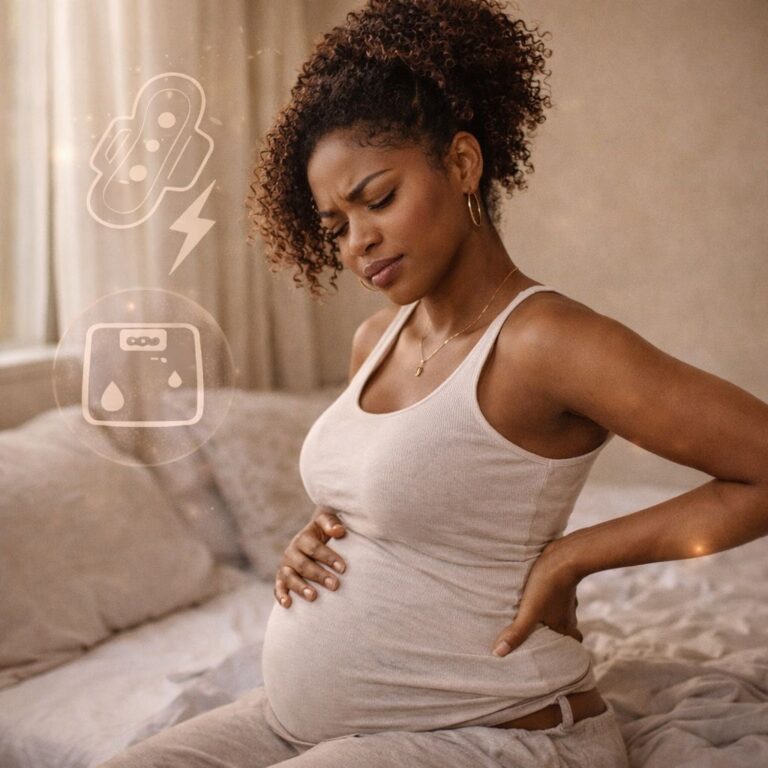
Pregnancy is a remarkable journey, but it comes with a wave of physical changes that can be surprising, uncomfortable, and sometimes alarming, especially for first-time mothers.
Understanding what your body is going through can help you distinguish between what is normal and what needs medical attention. Here is a straightforward look at some of the most common body changes and discomforts you may experience during pregnancy.
First Trimester (Weeks 1–12)
The earliest weeks of pregnancy set off a hormonal cascade that triggers some of the most well-known symptoms.
Nausea and vomiting, often called “morning sickness,” affect up to 80% of pregnant women, although they can occur at any time of day.
Fatigue is also common during this period, as your body works overtime to build the placenta and support early fetal development.
Breast tenderness and swelling begin almost immediately due to rising levels of estrogen and progesterone.
You may also notice frequent urination as your kidneys work harder and your growing uterus starts pressing on the bladder. Mood swings, food aversions, and a heightened sense of smell are all common and hormone-driven.
Second Trimester (Weeks 13–26)
For many women, the second trimester brings some relief from nausea and fatigue. However, new discomforts emerge as the belly grows. Back pain becomes more common as the center of gravity shifts and ligaments loosen to prepare for birth. Round ligament pain, which is sharp, brief pain on the sides of the abdomen, is also typical during this stage.
Heartburn and indigestion increase as the uterus pushes against the stomach. Skin changes such as stretch marks, a darkening line down the abdomen (linea nigra), and patches of darker skin on the face (melasma) are also common. Swelling in the feet and ankles, known as edema, often begins in this trimester and continues into the third.
At Mylurah we’re building a digital platform that centers Black women’s reproductive journeys, including culturally sensitive support for Period, Pregnancy and Postpartum. Because representation in care isn’t optional, it’s essential.
Third Trimester (Weeks 27–40)
The final stretch brings the most physical strain. The growing baby places pressure on nearly every system in the body. Shortness of breath can occur as the uterus pushes up against the diaphragm.
Sleep becomes difficult due to back pain, frequent bathroom trips, and the challenge of finding a comfortable position.
Braxton Hicks contractions, which are irregular and painless tightenings of the uterus, become more noticeable. Pelvic pressure increases as the baby descends into position, and many women experience varicose veins, hemorrhoids, and increased vaginal discharge. Leg cramps, especially at night, are also a common complaint.
By joining MyLurah community group, you can take advantage of the platform and improve your chances of meeting people of like mind who are ready to listen to you and offer solutions anytime.
When to Be Concerned
While most of these changes are a normal part of pregnancy, some symptoms should not be ignored.
Seek immediate medical attention if you experience severe abdominal pain, heavy bleeding, sudden swelling of the face or hands, severe headaches, vision changes, or reduced fetal movement.
These could be signs of complications such as preeclampsia, placental abruption, or preterm labor.
In All You Do:
Pregnancy transforms the body in profound ways, and no two pregnancies are exactly alike. Most discomforts are temporary and manageable, but staying informed helps you navigate each stage with greater confidence.
Knowing what is normal gives you peace of mind, and knowing what is not can protect both you and your baby.
If you are unsure about any symptom or change you are experiencing, do not rely solely on online information for guidance.
Early detection and professional guidance are the most powerful tools you have for a healthy pregnancy and delivery.