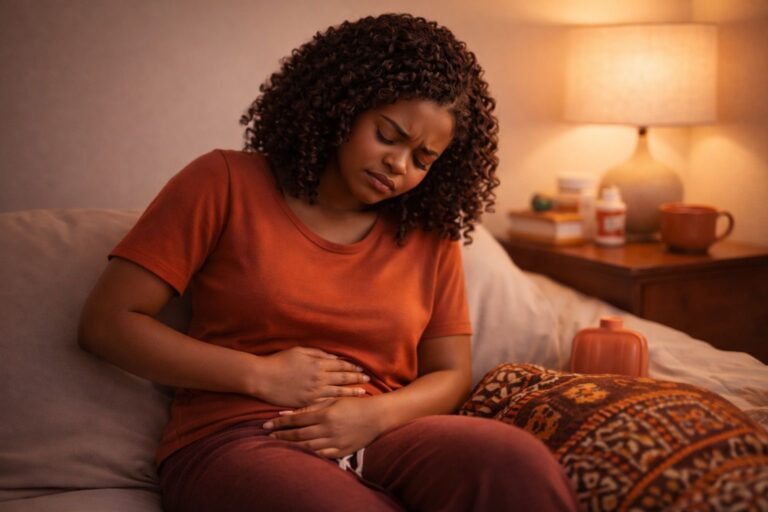
Menstruation is a natural part of life for millions of women and people with uteruses, yet period problems remain one of the most common and most overlooked health concerns.
From painful cramps to irregular cycles, many people silently endure symptoms that significantly affect their quality of life, often assuming it’s just “part of being a woman.” It doesn’t have to be.
Common Period Problems You Should Know About
Irregular Periods
A normal menstrual cycle runs between 21 and 35 days. If your cycle is consistently shorter, longer, or unpredictable, it could signal hormonal imbalances, polycystic ovary syndrome (PCOS), thyroid disorders, or significant changes in weight or stress levels.
Heavy Menstrual Bleeding (menorrhagia)
Soaking through a pad or tampon every hour for several consecutive hours is considered abnormal and requires medical evaluation. Heavy bleeding can lead to iron-deficiency anemia, causing fatigue, dizziness, and weakness. Conditions such as fibroids, endometriosis, or clotting disorders can contribute to heavy menstrual bleeding.
Painful Periods (Dysmenorrhea)
Mild cramping is common, but debilitating pain that disrupts your daily activities is not something you should just “push through.” Severe period pain can be a sign of conditions such as endometriosis, adenomyosis, or pelvic inflammatory disease (PID), all of which require medical evaluation.
By joining MyLurah community group, you can take advantage of the platform and improve your chances of meeting people of like mind who are ready to listen to you and offer solutions anytime.
Missed or Absent Periods (Amenorrhea)
Missing a period when you are not pregnant may be caused by factors such as stress, excessive exercise, low body weight, hormonal imbalances, or conditions like polycystic ovary syndrome (PCOS). Consistently missed periods can affect bone density and fertility over time.
Premenstrual Syndrome (PMS) and PMDD
PMS involves physical and emotional symptoms in the days before your period — bloating, mood swings, breast tenderness, and fatigue. When these symptoms become severe enough to interfere with daily functioning, it may indicate premenstrual dysphoric disorder (PMDD), a more severe condition that requires medical assessment and treatment.
Spotting between Periods
Light bleeding between periods, after sex, or after menopause should be evaluated by a healthcare provider. While sometimes harmless, it can indicate polyps, infections, hormonal fluctuations, or in rare cases, cervical or uterine issues.
What Can You Do?
Tracking your cycle using a journal or app is one of the most useful things you can do. Note the start and end dates, flow intensity, pain levels, and any other symptoms.
This information can be helpful to your healthcare provider In the meantime, lifestyle adjustments like managing stress, maintaining a balanced diet, regular exercise, and adequate sleep can help regulate your cycle and ease symptoms.
In All You Do:
Period problems are common, but they are not something you have to simply tolerate.
Your menstrual health is a window into your overall health, and changes in your cycle can be early signals that something in your body needs attention. Whether your symptoms are mild or severe, listening to your body is always the right first step.
Talk to a professional: If you are experiencing any of the symptoms described above or anything that feels unusual about your menstrual cycle, do not self-diagnose or self-medicate.
Schedule an appointment with a gynecologist or healthcare provider as soon as possible. Early diagnosis leads to better outcomes, and you deserve care that goes beyond simply managing the pain.