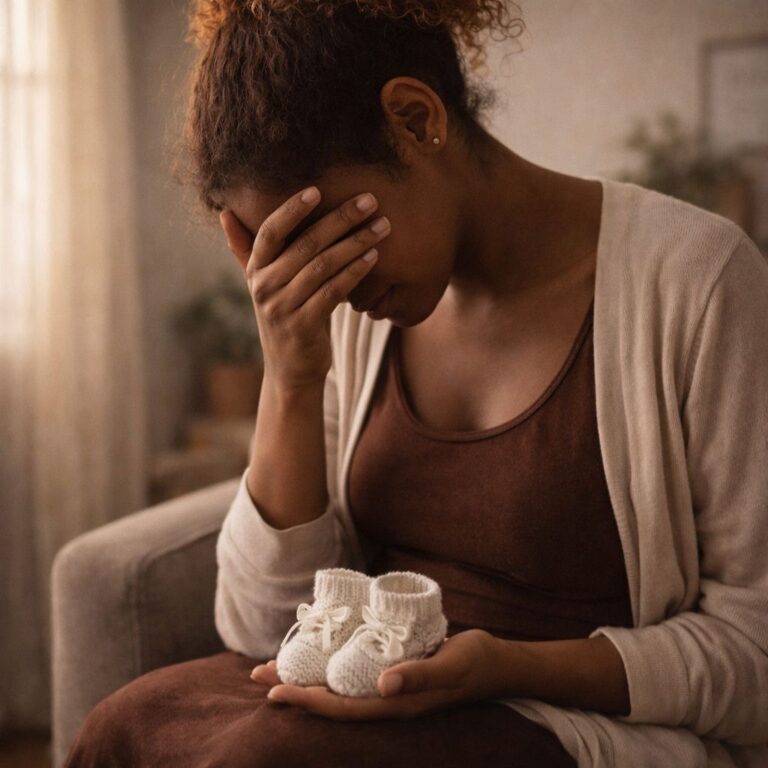
Miscarriage is a common and often misunderstood pregnancy loss that can be physically and emotionally challenging. To heal both physically and emotionally, it’s critical to distinguish reality from myth if you or someone you love has had a miscarriage.
Miscarriage is more common than many people realize, yet it is often treated as a rare or taboo experience. Approximately 10–20% of known pregnancies end in miscarriage, most often in the first trimester. Because people don’t talk about it openly, those who experience miscarriage may feel alone or believe something is “wrong” with them, when in reality it happens to many women across all backgrounds.
One major misunderstanding is the belief that miscarriage is caused by something the woman did or failed to do. Most miscarriages in the first trimester are caused by chromosomal abnormalities that occur randomly and are beyond anyone’s control. Stress, exercise, working, or normal daily activities are rarely the cause. Blaming the woman only adds unnecessary guilt and emotional pain during an already difficult time.
Causes of Miscarriage
Miscarriage, also known as pregnancy loss, is a heartbreaking experience that affects many women and their families. Understanding the causes of miscarriage is an important step in addressing this issue and providing support to those who have gone through it.
There are various factors that can contribute to a miscarriage. Chromosomal abnormalities, such as an extra or missing chromosome, are one of the most common causes. These abnormalities can occur during the formation of the egg or sperm, or during fertilization.
Other contributing factors may include poorly controlled chronic conditions (such as diabetes or thyroid disease), uterine abnormalities, infections, advanced maternal age, and certain lifestyle factors such as smoking or substance misuse.
It’s important to note that in many cases, the exact cause of miscarriage remains unknown. This can be frustrating for those who have experienced pregnancy loss, but it’s crucial to remember that it is not their fault
At Mylurah we’re building a digital platform that centers Black women’s reproductive journeys, including culturally sensitive support for Period, Pregnancy and Postpartum. Because representation in care isn’t optional, it’s essential.
You’re Not Alone
After suffering a loss, you may feel isolated. But miscarriages are actually very common, and you don’t have to suffer alone. About 10–20% of clinically recognized pregnancies end in miscarriage, though the actual number may be higher because some losses occur before a person realizes they are pregnant.
“When very early losses before a missed period are included, studies estimate that up to 30–50% of fertilized eggs may not progress to a viable pregnancy; however, not half of all women experience miscarriage.
Most miscarriages occur in the first trimester (before 12 weeks). Second-trimester miscarriages (between 13 and 20 weeks) are less common and account for a small percentage of pregnancy losses.
If you are pregnant and experiencing the following symptoms, see your health care provider to determine if you are experiencing any of these signs during pregnancy:
- Heavy bleeding
- Severe pelvic pain or cramping
- Severe back pain
- Foul-smelling discharge
- Fever
By joining MyLurah community group, you can take advantage of the platform and improve your chances of meeting people of like mind who are ready to listen to you and offer solutions anytime.
Trying Again
Miscarriages can be a traumatic experience, so make sure you and your partner are emotionally ready to try again. Take care of your mental health, and see a professional if you need to.
If you feel like you’re ready to resume your journey to conception, Many people can attempt pregnancy again after a first-trimester miscarriage once bleeding has resolved and they feel physically and emotionally ready, but timing should be discussed with a healthcare provider before that, talk to your doctor to determine the safest amount of time for you to wait.
If you have experienced two or more consecutive pregnancy losses, your healthcare provider may recommend evaluation for recurrent pregnancy loss to identify any underlying causes. You may have a treatable condition, such as hormonal abnormalities or uterine septum (a uterus with two cavities). Finding or ruling out these issues can help you and your doctor make the best decisions for the next steps in your path to parenthood.
In the past, a lot of shame has surrounded the topic of miscarriage. But talking about it and making sure our loved ones who have suffered a pregnancy loss are getting the care they need will help alleviate the negative stigma during such a difficult and vulnerable time.
If you suffer a miscarriage, the important thing to take away is that it wasn’t your fault. Grieve as much as you feel you need to, and you and your partner can try again when you’re ready.
WRAP UP
Open communication and improved comprehension are required. Reducing stigma, promoting healing, and enabling women to seek assistance without fear or shame are all made possible by realizing that miscarriages are frequent and not a personal failing.
If you or someone you know is experiencing symptoms such as vaginal bleeding with or without pain, severe abdominal pain, cramping, lower back pain, or tissues passing from the vagina, which could indicate a miscarriage, it is crucial to seek immediate medical attention from a qualified healthcare provider or emergency service.