
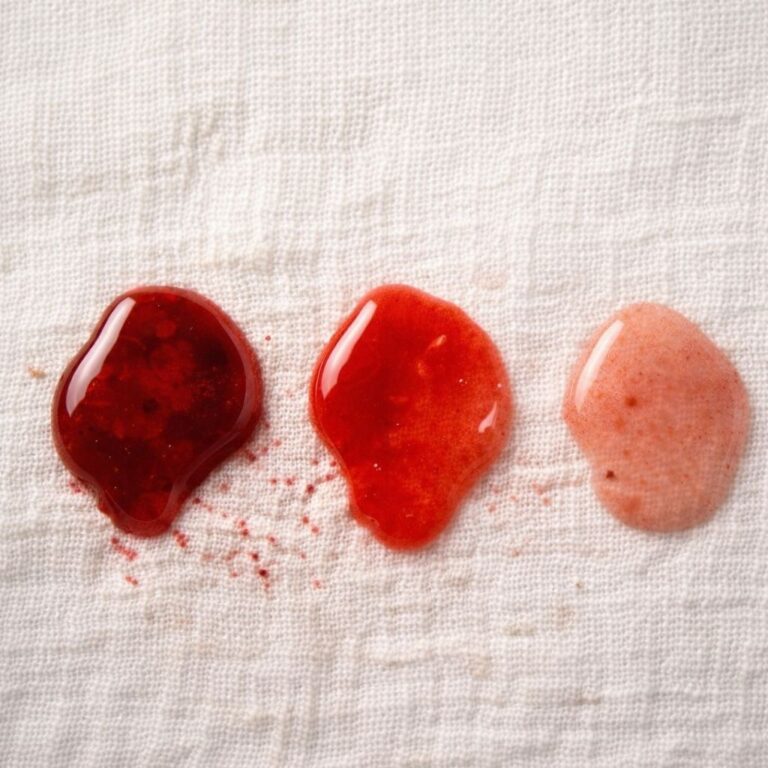
If you’ve ever looked at your period blood and wondered, “Hmm, why does it look darker this month?” You’re not alone. As women, we often focus on the timing and flow of our periods but rarely pay attention to the colour, which actually says a lot about our overall health.
The truth is, your period blood isn’t just blood, it’s a reflection of what’s happening inside your body, from your hormone levels to your iron balance. And for many African women, understanding these subtle changes can be the key to detecting issues like anemia, a silent but common condition linked to heavy bleeding and fatigue.
In this post, let’s talk honestly about what your period blood colour is telling you and why it’s time we start listening to those little red and sometimes brown or pink signs.
Key Point:
- Understanding What Period Colour Is
- What colour should period blood be?
- What do the colours of your period mean?
- Period Blood Colour and What it means, especially for anemia in African Women
- Anaemia in African Women, Why It Matters
Understanding What Period Colour Is
The color of a person’s period blood can indicate different health conditions. For example, a bright red period usually indicates fresh, active bleeding, while darker red or brown blood typically means the blood has been in the uterus longer before coming out, often seen at the beginning or end of a period
Before we go deeper into what each colour means, it’s important to understand why your period blood can look different from month to month. Period blood isn’t just blood, it’s a mix of blood, uterine tissue, and mucus that your body sheds every cycle. Depending on how fast or slow it flows out and how long it stays in your uterus before leaving, the colour can change.
Fresh blood that leaves the body quickly tends to look bright red, while blood that takes a little longer might appear darker or brownish. Factors like stress, diet, hormones, or even how much water you drink can subtly influence the shade too.
For African women, these colour changes can also be linked to iron levels — since heavy bleeding or poor diet can lead to anaemia, which often shows up through paler or lighter period blood over time. In short, the colour of your period isn’t random; it’s one of your body’s most natural ways of communicating its inner balance (or imbalance).
‘Mylurah is your culturally rooted wellness space built for African women tracking their periods, pregnancies, and postpartum healing.”
What colour should period blood be?
There’s no one “correct” colour for everyone, as Dr. Patience explains.
During your menstrual cycle, you might see a whole range of colours, from bright red to a darker, almost brownish hue. Sometimes, it can even show off shades of pink or orange.
It’s important to keep an eye out for any sudden or weird changes in colour. Dr. Patience gives us a heads-up, saying, “Any strong odour, orange or greyish colouring should prompt screening for infection.” It’s always important to pay attention to these signs.
For instance, if your blood looks very light or pale, it could be suggesting low flow or anemia. On the other hand, if it appears excessively dark or black, it might mean older blood that hasn’t been expelled efficiently.
If you ever notice any sudden, dramatic changes in colour, it’s best to reach out to a healthcare professional. They can give you the right advice and make sure everything’s all good.
So, just be mindful of your body and its signals during your period.
“By joining MyLurah community group, you can take advantage of the platform and improve your chances of meeting people of like mind who are ready to listen to you and offer solutions anytime.”
What do the colours of your period mean?
The colours of your period can actually tell us a bit about your menstrual health, but remember, everyone’s body is unique.
Now, it’s completely normal to see some colour variations during your period. But if you notice any drastic changes, it’s a good idea to look into it a bit further.
For instance, changes in period blood colour and heavy clotting might be linked to hormonal imbalances, especially when there’s more estrogen than progesterone. This can mess with the growth and shedding process of the uterine lining, leading to more clot formation.
All in all, it’s about understanding your body and keeping an eye on any significant changes. Part of this is understanding what different colour blood can mean, which is what we’re going to look further into now.
Period Blood Colour and What it means, especially for anemia in African Women
When it comes to your cycle, the colour of your period blood can tell you a lot about what’s going on inside your body. Many women don’t realize that the changes in colour which reflect different stages of your period, your overall health, and even underlying conditions like anaemia, which is especially common among African women.
1. Bright Red Blood: Fresh and Normal
Bright red blood usually appears at the start of your period. It means the blood is fresh and flowing quickly from the uterus.
✅ It’s a good sign that your menstrual flow is active and healthy.
However, if you experience heavy bleeding for several days along with fatigue or dizziness, it could be a sign of anaemia meaning your body might be losing more iron than it can replace.
2. Dark Red or Brown Blood: Old Blood
Dark red or brown period blood often shows up at the beginning or end of your cycle. It’s just older blood that has taken longer to leave your uterus.
✅ Totally normal, especially if it’s light and doesn’t have a strong odour.
⚠️ But if your blood is consistently dark or thick with clots, it may suggest your flow is sluggish or that you’re experiencing iron deficiency due to low haemoglobin levels a common issue among African women who have heavy menstrual bleeding and low dietary iron intake.
3. Pink Blood: Light Flow or Low Iron
Pink period blood usually means your blood is mixed with cervical fluid, making it appear lighter.
🚩 It can happen due to:
- Low oestrogen levels
- Excessive exercise or stress
- Nutritional deficiencies (especially iron or protein)
For African women, this can be an early sign of iron-deficiency anemia, particularly if you often feel weak, tired, or light-headed during your period.
4. Orange Blood: Infection Alert
If your blood looks orange or has a strange smell, it could mean there’s an infection (like bacterial vaginosis or an STI).
⚠️ Don’t ignore it especially if accompanied by pain, itching, or discharge. See a healthcare provider for proper testing and treatment.
5. Gray or Pale Blood: Possible Infection or Hormonal Imbalance
Grayish or pale pinkish blood isn’t normal. It may signal an infection, miscarriage (if pregnant), or hormonal imbalance. Always consult your doctor if this happens more than once.
Anaemia in African Women: Why It Matters
Anaemia especially iron-deficiency anaemia is one of the most common health challenges faced by African women.
Heavy menstrual flow, pregnancy, malaria, poor diet, and late diagnosis all contribute to it.
Common symptoms include:
- Constant tiredness or weakness
- Dizziness or fainting spells
- Pale skin or lips
- Shortness of breath
- Brittle nails or hair loss
If you notice these symptoms along with heavy or prolonged periods, it’s important to:
- Eat iron-rich foods like spinach, beans, liver, beef, and ugu (pumpkin leaves)
- Pair them with vitamin C-rich foods (like oranges, pineapple, and tomatoes) to help your body absorb iron better
- Avoid excessive caffeine or tea right after meals — they block iron absorption
In Conclusion
Your period isn’t just a monthly inconvenience it’s your body’s way of communicating. The colour of your menstrual blood can be a simple but powerful clue about your reproductive and overall health.
For African women, paying attention to these changes is especially important because anemia often develops quietly until it becomes serious.
Every shade your period takes on, from bright red to deep brown, has a story to tell. Sometimes it’s simply your body’s way of saying, “I’m healthy and balanced,” while other times, it’s quietly warning you that something’s off like low iron levels, hormonal changes, or even infection.
Understanding what each colour means helps you stay in tune with your body and catch early signs of health issues, especially anaemia, which affects a large number of Black women. We advise you to always consult a general practitioner or healthcare provider.
Read Also:


Pingback: Heavy Periods in Black Women – Mylurah
Pingback: Why Antenatal Care is Critical for Black Women – Mylurah
Pingback: Traditional Postpartum Practices: What’s Safe, What’s Harmful? – Mylurah
Pingback: Baby Blues VS Postpartum Depression in Black Mothers – Mylurah
Pingback: Black Maternal Mortality: What Every Mother-to-Be Should Know – Mylurah
Pingback: Safe Pregnancy Exercises – Mylurah
Pingback: When Period Pain Isn’t Just Cramps—Let’s Talk Endometriosis – Mylurah
Pingback: Why Black Women Need more Support in the Fourth Trimester – Mylurah