
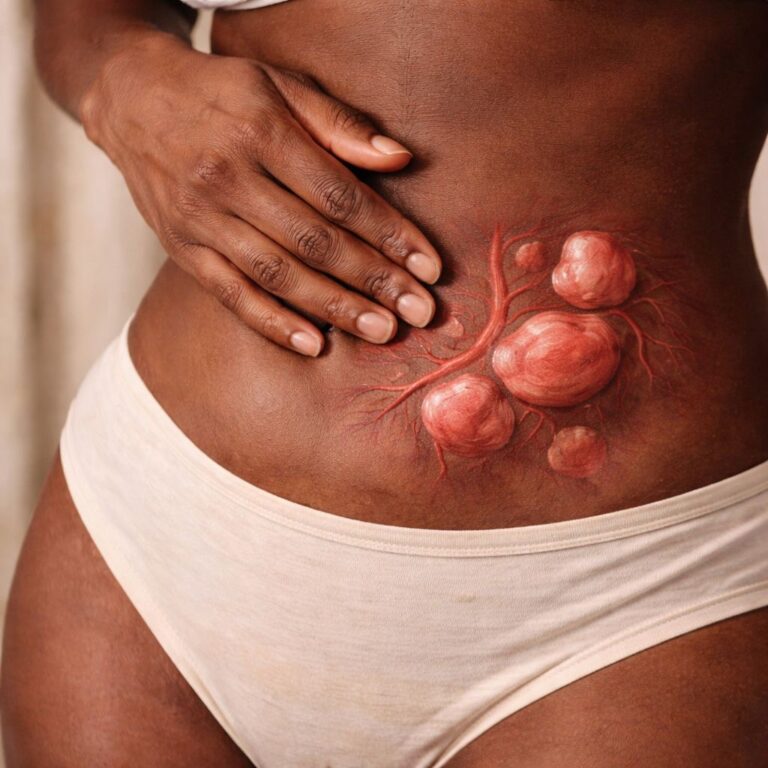
Fibroids are a common yet often misunderstood health condition affecting many women, but studies have shown that Black women are disproportionately impacted, developing fibroids more frequently, at younger ages, and with more severe symptoms than other groups.
This isn’t just a matter of genetics; a mix of hormonal factors, lifestyle influences, environmental exposures, and even chronic stress all play a part.
As someone who has seen how these growths can quietly disrupt daily life, it’s important to understand not just why this happens, but also what to look out for, from heavy menstrual bleeding and pelvic pain to fatigue and fertility challenges.
Recognizing these signs early can make all the difference in managing fibroids effectively and protecting your overall well-being.
Key Points:
- About Fibroids
- Differences in Black Women’s Experience with Fibroids
- Understanding Why Black women experience fibroids more
- What To Look Out For
- Important Safety Information
About Fibroids
Fibroids are noncancerous tumors that develop in or on the walls of the uterus, also known as the womb. They are made of muscle and fibrous connective tissue and are the most common benign tumors of the reproductive tract.
While fibroids can be asymptomatic (meaning that uterine fibroids can exist without causing any noticeable signs or symptoms, and the individual may be unaware of their presence), they can also cause symptoms like heavy menstrual bleeding, pelvic pain, and frequent urination, depending on their size and location.
What they are:
- Benign (noncancerous) growths: Fibroids are almost always benign.
- Common: They are very common, with an estimated 70-80% of women developing them in their lifetime.
- Vary in size: They can range from the size of a pea to as large as a grapefruit.
- Can be single or multiple: A person can have one fibroid or many.
When fibroids may occur:
- Fibroids are most common during a woman’s reproductive years and tend to decrease during and after menopause.
- Women with a family history of fibroids have a higher risk of developing them.
Differences in Black Women’s Experience with Fibroids
When it comes to fibroids, Black women often face a distinctly different experience, one that is shaped by a combination of biological, race, and hereditary factors.
Research has shown that Black women are not only more likely to develop fibroids, but they also tend to have larger and more numerous growths that appear at a younger age. Beyond the physical symptoms, such as intense menstrual pain, heavy bleeding, and reproductive challenges, there’s also a deeper layer of emotional and systemic impact.
We Black women face delayed diagnoses or inadequate treatment options due to healthcare disparities and a long history of their pain being minimized.
Understanding these differences isn’t just about comparing experiences, it’s about recognizing the need for awareness, advocacy, and more inclusive healthcare approaches that truly address the unique challenges Black women face in managing fibroids.
Understanding Why Black women experience fibroids more
A recent study has linked vitamin D insufficiency with increased fibroid risk in Black women. This study is important not only because of the biologic plausibility of the mechanism (that is, darker skin inhibits production of biologically active vitamin D) but also because it opens a potential pathway to prevention.
Fibroids are noncancerous growths that develop in or around the uterus, and while they can affect any woman, research consistently shows that Black women experience them more often and often more severely than women of other races.
Studies reveal that Black women are three times more likely to develop fibroids, often at a younger age, and their symptoms, such as heavy bleeding, prolonged menstrual cycles, pelvic pain, and fertility issues, tend to be more intense.
One particular case that stands out is that of a 34-year-old woman who had been living with extreme menstrual pain since her early twenties. She assumed it was “normal” because every woman around her complained of painful periods. It wasn’t until her symptoms worsened, causing fatigue and anemia, that a scan finally revealed multiple fibroids.
This pattern is far too common. Factors such as higher estrogen levels, chronic stress from racial and social pressures, exposure to certain hair care chemicals, and limited access to specialized care all contribute to this higher prevalence.
Understanding why Black women experience fibroids more often isn’t just a medical issue it’s a call for awareness, culturally competent healthcare, and open conversations about women’s reproductive health in the Black community. Fibroids can be managed effectively before they take a toll on one’s quality of life.
What To Look Out For
What’s most important is knowing what to look out for.
Common signs include unusually heavy or prolonged menstrual bleeding (this lasts 7 days), severe menstrual cramps, pain during sexual intercourse, and anemia in chronic cases leading to tiredness, weakness, and visible and palpable enlargement.
These symptoms are often mistaken for “normal period pain,” which delays diagnosis and worsens the condition over time.
Recognizing early warning signs, maintaining regular gynecological checkups, and openly discussing reproductive health concerns can help in managing fibroids effectively.
For us Black women, understanding this connection is more than medical, it’s a step toward reclaiming control over our health and breaking the silence around an issue that affects so many.
IMPORTANT SAFETY INFORMATION
Mylurah is a safe space for African women to track their bodies, understand their health, and feel seen.
At ‘‘Mylurah,” your health, privacy, and safety come first. While our platform provides tools and resources to help African women track their bodies, understand hormonal changes, and recognize symptoms such as those linked to fibroids.
We also prioritize your data security. Every piece of information you share with Mylurah is confidential and protected.
We encourage you to use our resources responsibly, stay aware of your body’s signals, and never hesitate to seek medical help when something doesn’t feel right.
In Conclusion
We believe every Black woman deserves to be informed, supported, and seen. Our mission is to help you take charge of your health journey with confidence and compassion.
Whether you’re tracking your cycle, learning about fibroids, or simply getting to know your body better, remember you are not alone. We’re here to walk this path with you, creating a safe space where awareness meets empowerment, and every African woman can thrive in her own skin.
Also Read:
- How Fibroids Affect Your Period as a Black Woman
- PCOS Signs in Black Women


Pingback: When Period Pain Isn’t Just Cramps—Let’s Talk Endometriosis – Mylurah
Pingback: Baby Blues VS Postpartum Depression in Black Mothers – Mylurah
Pingback: Traditional Postpartum Practices: What’s Safe, What’s Harmful? – Mylurah