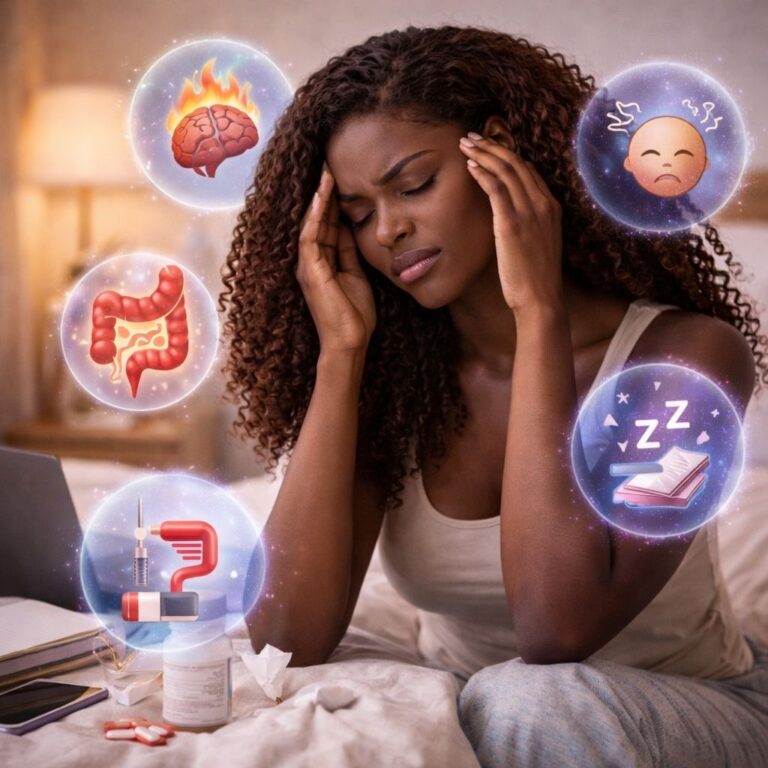
Stress has a way of becoming so familiar that many people stop recognising it for what it is. In the busyness of modern life, the warning signals the body sends are often dismissed as tiredness, aging, or simply “having a lot on.” But the body keeps a precise record of everything it endures and when stress goes unaddressed for too long, it begins to communicate its distress in ways that are impossible to ignore. Learning to recognise these signs early is one of the most important things you can do for your long-term health.
Persistent Fatigue Despite Adequate Sleep
One of the earliest and most overlooked signs of chronic stress is waking up tired even after a full night of sleep.
Stress activates the body’s sympathetic nervous system (the “fight-or-flight” response)
If rest no longer feels restorative, stress may be quietly undermining your sleep cycle from within.
Frequent Headaches and Muscle Tension
Tension headaches and persistent tightness in the neck, shoulders, and jaw are classic physical manifestations of stress. When the body perceives a threat, muscles contract in preparation for a fight-or-flight response.
When stress is chronic, those muscles never fully release resulting in recurring pain and physical discomfort that many people attribute to posture or screen time rather than emotional strain.
At Mylurah we’re building a digital platform that centers Black women’s reproductive journeys, including culturally sensitive support for Period, Pregnancy and Postpartum. Because representation in care isn’t optional, it’s essential.
Digestive Disruptions
The gut and the brain are in constant communication through the gut-brain axis. Stress disrupts this connection, commonly triggering symptoms such as bloating, nausea, constipation, diarrhoea, and stomach cramps.
If your digestive system has been consistently unsettled without a clear dietary cause, unmanaged stress may be the underlying driver.
Skin Breakouts and Hair Loss
The skin and hair are highly sensitive to internal stress. Elevated cortisol the body’s primary stress hormone increases oil production in the skin, contributing to acne breakouts.
It also pushes hair follicles into a resting phase, which can result in noticeable hair shedding several weeks after a stressful period. These changes are the body’s visible SOS signals.
Irritability, Mood Swings, and Feeling Overwhelmed
When the nervous system is consistently overloaded, emotional regulation becomes increasingly difficult. Small inconveniences begin to feel unbearable, patience runs thin, and a sense of being perpetually overwhelmed takes hold.
Many people under chronic stress also experience heightened anxiety, low mood, and a feeling of emotional numbness all of which signal that the mind and body are running on empty.
By joining MyLurah community group, you can take advantage of the platform and improve your chances of meeting people of like mind who are ready to listen to you and offer solutions anytime.
Changes in Appetite and Weight
Stress can influence appetite-regulating hormones such as cortisol and ghrelin. Unexplained weight changes in either direction — alongside other stress symptoms are worth paying close attention to.
Lowered Immunity
If you find yourself falling ill more frequently than usual — catching every cold, dealing with recurring infections, or taking longer to recover — chronic stress may be suppressing your immune system. Cortisol, when persistently elevated, actively reduces the body’s immune response, leaving you more vulnerable to illness.
In All You Do:
Your body is always communicating with you — stress simply makes it speak louder. Fatigue, tension, digestive issues, skin changes, mood disruptions, and a weakened immune system are not random inconveniences. They are coordinated signals from a body that needs attention, rest, and care.
Acknowledging stress is not a weakness — it is wisdom. Simple practices such as adequate sleep, regular movement, mindfulness, and meaningful social connection can offer meaningful relief. However, if you recognise several of these signs in yourself and they are persisting or worsening, we strongly encourage you to consult a qualified medical professional or mental health practitioner. Chronic stress left unaddressed can develop into serious long-term health conditions — and you deserve support before it reaches that point.