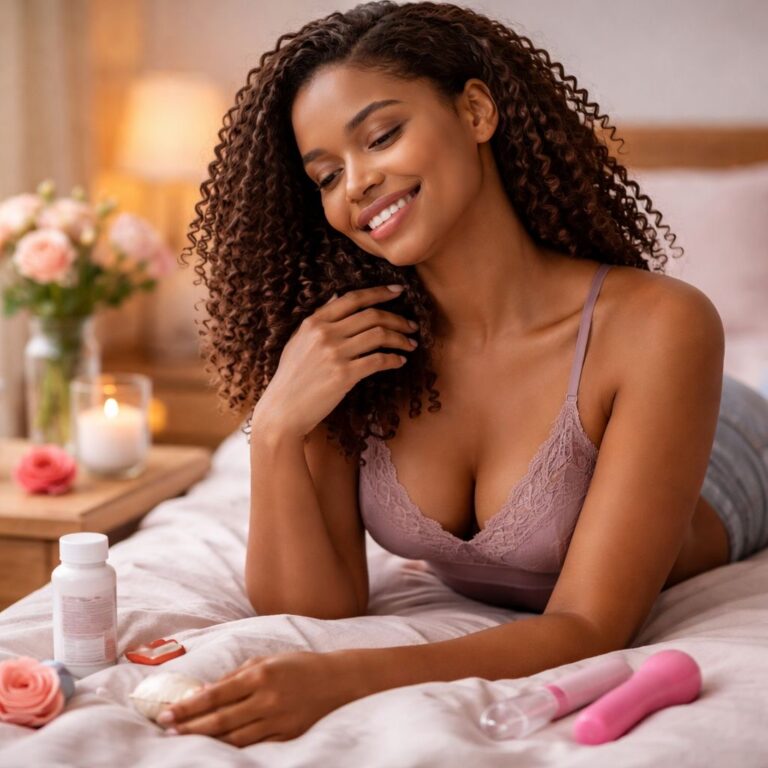
Women’s sexual health is a vital yet frequently overlooked dimension of overall well-being. For far too long, conversations around female libido and sexual health have been shrouded in silence, stigma, and cultural taboo leaving many women without the information, support, or care they need to address concerns in this deeply personal area of their lives.
Sexual health is not simply about the absence of disease or dysfunction; according to the World Health Organisation (WHO), it encompasses a state of physical, emotional, mental, and social well-being in relation to sexuality.
For women, libido (the desire for sexual activity) is a complex and dynamic aspect of health that is influenced by a wide range of biological, psychological, relational, and social factors. Understanding these influences and knowing when and how to seek support is essential for every woman at every stage of life.
What Is Female Libido?
Libido refers to a person’s overall sexual drive or desire for sexual activity. In women, libido is not a fixed or constant state it naturally fluctuates throughout life and even within a single menstrual cycle.
It is influenced by hormones, emotions, relationships, stress levels, physical health, and life circumstances. There is no universally “normal” level of sexual desire; what matters most is whether a woman feels satisfied with her own level of desire and whether any changes are causing her distress or affecting her quality of life.
At Mylurah we’re building a digital platform that centers Black women’s reproductive journeys, including culturally sensitive support for Period, Pregnancy and Postpartum. Because representation in care isn’t optional, it’s essential.
Factors That Influence Women’s Libido
Understanding what shapes female sexual desire is key to addressing any concerns around it. Several interconnected factors play a role:
Hormonal Influences
Hormones are among the most significant drivers of female libido. Key hormones involved include:
- Oestrogen — Supports vaginal lubrication, maintains healthy tissue in the reproductive tract, and contributes to sexual comfort and responsiveness. Declining oestrogen levels particularly during perimenopause and menopause can lead to vaginal dryness, discomfort during sex, and reduced desire.
- Testosterone — Often thought of as a male hormone, testosterone is also produced in women and plays an important role in sexual desire, energy, and arousal. Lower testosterone levels in women may be associated with reduced sexual desire, although this relationship is complex and not fully understood.
- Progesterone — Higher levels of progesterone, such as those seen in the luteal phase of the menstrual cycle or during pregnancy, can sometimes have a dampening effect on sexual desire.
- Thyroid hormones — Both an underactive thyroid (hypothyroidism) and an overactive thyroid (hyperthyroidism) can affect energy levels, mood, and libido.
Psychological and Emotional Factors
A woman’s mental and emotional state has a profound impact on her sexual desire. Common psychological contributors to low libido include:
- Stress, anxiety, and chronic fatigue
- Depression and other mental health conditions
- Poor body image or low self-esteem
- History of sexual trauma or abuse
- Relationship conflict, emotional disconnection, or lack of intimacy with a partner
- Performance anxiety or fear of pain during sex
Lifestyle Factors
Daily habits and lifestyle choices also significantly affect libido:
- Sleep deprivation — Poor or insufficient sleep reduces energy, increases irritability, and lowers testosterone levels, all of which can suppress sexual desire.
- Diet and nutrition — A diet lacking in essential nutrients can contribute to hormonal imbalances and low energy, both of which affect libido.
- Physical activity — Regular exercise has been shown to improve body image, boost mood through endorphin release, enhance circulation, and increase sexual desire.
- Alcohol and substance use — While alcohol may initially lower inhibitions, excessive consumption is known to suppress sexual function and reduce arousal over time.
- Smoking — Reduces blood flow to sexual organs, impairing arousal and lubrication.
Medications and Medical Conditions
Certain medications and health conditions can have a direct impact on female libido:
- Hormonal contraceptives — Some women report a decrease in sexual desire while using hormonal birth control, particularly combined oral contraceptives, due to their effect on testosterone levels and vaginal lubrication.
- Antidepressants — Selective serotonin reuptake inhibitors (SSRIs), commonly prescribed for depression and anxiety, are well known for their side effects on libido and sexual function.
- Chronic illness — Conditions such as diabetes, cardiovascular disease, autoimmune disorders, and chronic pain conditions can all negatively affect sexual health and desire.
- PCOS and endometriosis — These gynaecological conditions can cause pain, hormonal imbalance, and emotional distress, all of which may reduce sexual desire.
Common Sexual Health Concerns in Women
Beyond libido, women may experience a range of sexual health concerns that deserve attention and care:
- Hypoactive Sexual Desire Disorder (HSDD) — A persistent and distressing lack of sexual desire that is not explained by another medical condition or relationship problem. It is considered the most common female sexual dysfunction.
- Dyspareunia — Persistent pain during or after sexual intercourse, which can be caused by vaginal dryness, infections, endometriosis, vaginismus, or other conditions.
- Vaginismus — Involuntary tightening of the vaginal muscles that makes penetration painful or impossible. It is often associated with anxiety, trauma, or fear and is treatable with appropriate support.
- Arousal disorders — Difficulty becoming physically aroused or maintaining arousal during sexual activity, despite the presence of desire.
- Anorgasmia — Difficulty or inability to reach orgasm, which can be lifelong or acquired and may have physical or psychological causes.
Supporting and Improving Women’s Sexual Health
There are a number of approaches women can take to support their sexual health and well-being:
- Open communication — Honest conversations with a partner about desires, boundaries, and concerns are foundational to a healthy sexual relationship. Many sexual difficulties are rooted in communication gaps rather than physical issues.
- Stress management — Practising mindfulness, meditation, yoga, or other relaxation techniques can help reduce the mental load that suppresses libido.
- Prioritising sleep — Establishing healthy sleep habits directly supports hormonal balance and overall energy, both of which are essential to sexual health.
- Nutritional support — A balanced diet rich in zinc, magnesium, vitamin D, and healthy fats supports hormone production. Foods such as avocados, nuts, seeds, oily fish, and dark leafy greens are particularly beneficial.
- Regular physical activity — Exercise improves circulation, body confidence, and hormonal health — all of which positively influence libido.
- Pelvic floor health — Strengthening the pelvic floor through targeted exercises such as Kegels can enhance sensation, arousal, and overall sexual function.
- Therapy and counselling — For concerns rooted in psychological or relational factors, working with a sex therapist, psychologist, or couples counsellor can be highly effective. There is no shame in seeking professional emotional support for sexual health concerns.
- Vaginal moisturisers and lubricants — For women experiencing dryness or discomfort during sex, over-the-counter lubricants and vaginal moisturisers can provide significant relief, particularly during and after menopause.
By joining MyLurah community group, you can take advantage of the platform and improve your chances of meeting people of like mind who are ready to listen to you and offer solutions anytime.
Sexual Health Across the Stages of a Woman’s Life
It is important to recognise that women’s sexual health needs change across different life stages:
- Reproductive years — Hormonal fluctuations across the menstrual cycle naturally influence desire. Pregnancy and postpartum recovery also bring significant physical and emotional changes that affect libido.
- Perimenopause and menopause — Declining oestrogen and testosterone levels can lead to vaginal dryness, reduced desire, and discomfort during sex. These changes are normal but manageable with the right support.
- Older adulthood — Sexual desire and activity do not have an expiry date. Many women continue to enjoy fulfilling sexual lives well into older age, though physical changes may require adaptation and open dialogue with healthcare providers.
In All You Do:
Women’s libido and sexual health are integral parts of a complete and fulfilling life, yet they remain among the most underserved areas of women’s healthcare.
Low libido, sexual discomfort, and related concerns are far more common than many women realise and importantly, they are not things women simply have to accept or suffer through in silence.
From hormonal shifts and lifestyle factors to psychological well-being and relationship dynamics, there are many dimensions to explore and many effective avenues for support available.
Every woman deserves to feel informed, empowered, and heard when it comes to her sexual health. Small lifestyle changes improving sleep, managing stress, eating well, and staying active can make a meaningful difference.
However, if you are experiencing persistent low libido, pain during sex, difficulty with arousal or orgasm, or any other sexual health concern that is causing you distress, we strongly encourage you to consult a qualified medical professional, gynaecologist, or certified sex therapist.
These concerns are medically valid, completely treatable in many cases, and deserve the same careful attention as any other aspect of your health. You do not have to navigate this alone professional help is available, and seeking it is a sign of strength.