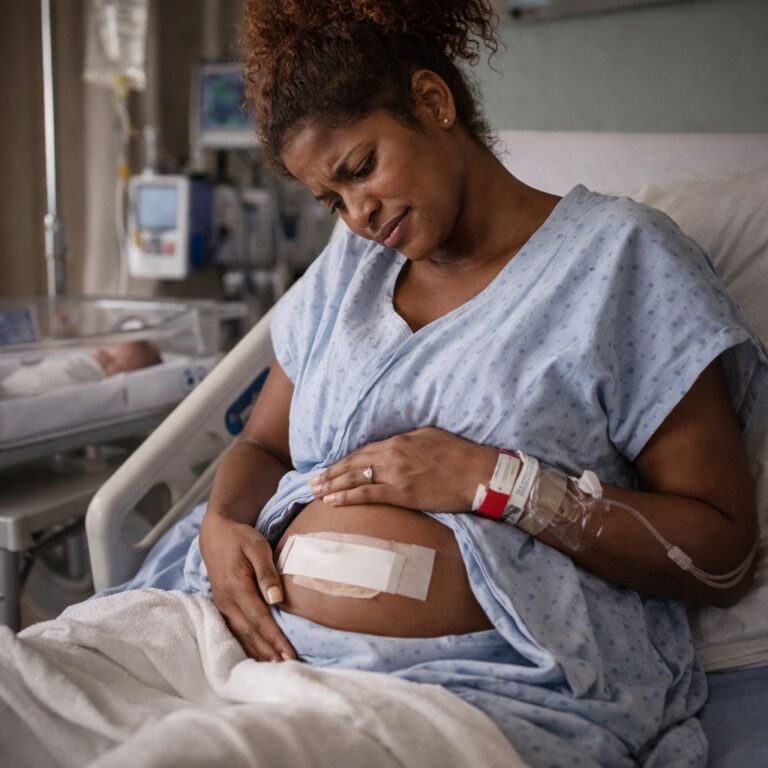
Childbirth is one of the most significant physical events a woman’s body will ever experience. While much attention is rightly given to the health of newborns, maternal birth injuries are more common than many people realize and are often under-discussed.
Understanding what can happen during labor and delivery can help women recognize symptoms early and seek appropriate care.
What Are Maternal Birth Injuries?
A maternal birth injury refers to physical trauma experienced by the mother during labor or delivery.
These injuries can occur during vaginal delivery, cesarean section (C-section), or as a result of obstetric interventions such as forceps or vacuum-assisted delivery.
They can occur during vaginal deliveries, cesarean sections (C-sections), or as a result of obstetric interventions such as the use of forceps or vacuum extractors.
At Mylurah we’re building a digital platform that centers Black women’s reproductive journeys, including culturally sensitive support for Period, Pregnancy and Postpartum. Because representation in care isn’t optional, it’s essential.
Common Types of Birth Injuries in Mothers
Perineal tears and episiotomy complications
Perineal tears are among the most frequent injuries during vaginal delivery. They are classified into four degrees of severity, with first-degree tears involving only the skin and fourth-degree tears extending through the anal sphincter and rectal lining. If not properly repaired or monitored, severe tears can lead to chronic pain, fecal incontinence, and sexual dysfunction.
Pelvic Floor Dysfunction
The pelvic floor muscles support the bladder, uterus, and bowel. Childbirth, especially prolonged labor or delivery of a large baby, can significantly stretch, tear, or weaken these muscles. The result is often urinary or fecal incontinence, pelvic organ prolapse, or pelvic pain that can persist long after delivery.
Postpartum Hemorrhage
Postpartum hemorrhage (PPH) is defined as excessive blood loss following delivery and is a leading cause of maternal mortality worldwide. It can result from the uterus failing to contract properly after birth, retained placental tissue, or lacerations. Prompt medical intervention is critical.
Uterine Rupture
Though rare, uterine rupture, a tear in the wall of the uterus, is a life-threatening emergency. It is more likely to occur in women who have had a previous C-section. It requires immediate surgical intervention and can affect future pregnancies.
Obstetric Fistula
An obstetric fistula is an abnormal opening between the birth canal and the bladder or rectum, typically caused by prolonged, obstructed labor. It leads to continuous leakage of urine or stool and can have devastating physical and emotional consequences. While more common in low-resource settings, it remains a serious global health concern.
Nerve Damage
Nerve injuries, particularly to the pudendal nerve or femoral nerve, can occur during labor due to pressure, positioning, or instrumental delivery. These injuries may cause numbness, weakness, or chronic pain in the pelvic region or legs.
Psychological Trauma
Birth injuries are not always physical. A difficult or traumatic delivery experience can lead to postpartum post-traumatic stress disorder (PTSD), postpartum depression, or birth-related anxiety, all of which are recognized medical conditions that require attention and treatment.
By joining MyLurah community group, you can take advantage of the platform and improve your chances of meeting people of like mind who are ready to listen to you and offer solutions anytime.
Risk Factors
Certain factors can increase the likelihood of maternal birth injuries, including prolonged or rapid labor, delivery of a large baby (macrosomia), use of forceps or vacuum-assisted delivery, first-time vaginal birth, limited prenatal care, and pre-existing conditions such as connective tissue disorders.
Recovery and Treatment
Recovery from a birth injury depends on its type and severity. Treatment options may include physical therapy, particularly pelvic floor rehabilitation, surgical repair, pain management, counseling, and, in some cases, long-term medical management.
Many women recover fully with the right care, while others may require ongoing support. The key is early recognition and intervention.
In All You Do:
Birth injuries to the mother are a real and significant part of the childbirth experience that deserve open conversation and proper medical attention.
Whether the injury is physical or psychological, no woman should feel she has to simply “push through” the aftermath of a difficult delivery. With the right diagnosis and treatment, recovery is possible, and every mother deserves the opportunity to heal fully.
If you are experiencing pain, discomfort, or any unusual symptoms following childbirth, do not wait. Visit a qualified healthcare professional as soon as possible. Early assessment and treatment can make a profound difference in your recovery and long-term well-being. Your health matters just as much as your baby’s