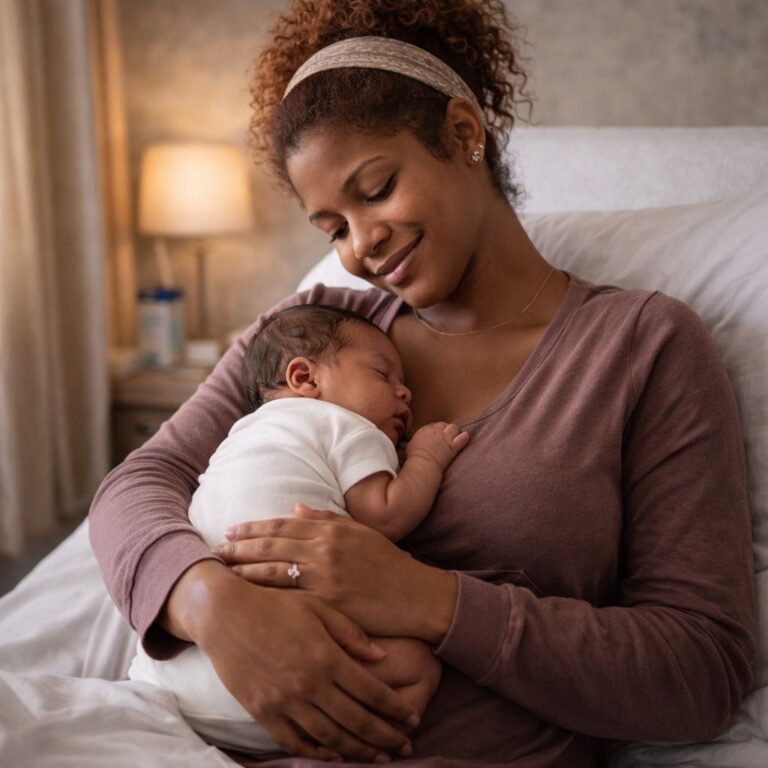
The postpartum period begins immediately after childbirth and typically lasts about six to eight weeks, although some physical and emotional changes may continue for several months.
During this period, your body undergoes several physical and mental changes, with some symptoms continuing for months after you give birth.
Rest, adequate nutrition, and allowing time for physical healing all support postpartum recovery.
What is Postpartum?
The postpartum period, sometimes referred to as the “fourth trimester,” begins immediately after childbirth and includes the weeks following delivery, during which significant physical and emotional adjustments occur.
While much attention is given to pregnancy and delivery, the postpartum experience deserves equal focus, as it presents unique challenges and opportunities for healing and growth.
Physical Recovery
After giving birth, the body undergoes significant physiological changes as it gradually returns toward its pre-pregnancy state.
Many women experience postpartum bleeding (lochia), perineal soreness, breast engorgement, fatigue, and various other physical discomforts.
For those who had cesarean sections, surgical recovery adds another layer to the healing process. These physical changes, while normal, can be uncomfortable and require patience, rest, and proper care.
Emotional and Mental Health
The postpartum period is characterized by significant emotional fluctuations. Many new mothers experience what’s commonly known as the “baby blues” feelings of sadness, anxiety, mood swings, and tearfulness that typically resolve within two weeks after delivery.
However, Approximately 10–20% of women experience postpartum depression. A more serious condition that involves persistent sadness, loss of interest in activities, difficulty bonding with the baby, changes in appetite and sleep, and sometimes thoughts of harming oneself or the baby.
Postpartum anxiety disorders and, more rarely, postpartum psychosis can also occur. These conditions are medical issues, not personal failures, and require professional support and treatment
At Mylurah we’re building a digital platform that centers Black women’s reproductive journeys, including culturally sensitive support for Period, Pregnancy and Postpartum. Because representation in care isn’t optional, it’s essential.
Lifestyle Adjustments
The arrival of a newborn transforms daily life in countless ways. Sleep deprivation becomes a constant companion as babies require round-the-clock feeding and care. Establishing breastfeeding, if chosen, can be challenging and may require support from lactation consultants.
Relationships shift as partners navigate new roles and responsibilities, often with less time for each other. Social connections may change as new mothers adapt to their identity and find themselves in different routines.
Many women also face the decision of when and how to return to work, balancing professional identity with new motherhood.
By joining MyLurah community group, you can take advantage of the platform and improve your chances of meeting people of like mind who are ready to listen to you and offer solutions anytime.
Nutrition and Self-Care
Proper nutrition remains crucial during the postpartum period, especially for breastfeeding mothers who have increased caloric and nutritional needs.
Staying hydrated, eating balanced nutrient-rich meals, and continuing prenatal or postnatal vitamins as recommended by a healthcare provider can support recovery and, if breastfeeding, milk production.
Rest, when possible, gentle movement as approved by healthcare providers, and accepting help from others are all essential components of postpartum recovery.
Support Systems
No one should navigate the postpartum period alone. Support from partners, family members, friends, and community resources can make an enormous difference in a new mother’s well-being.
Support groups, whether in-person or online, provide spaces where mothers can share experiences, ask questions, and feel less isolated.
Some communities offer postpartum doula services, meal support programs, and other practical assistance that can ease the transition.
Wrap up
The postpartum period is a time of profound transformation that encompasses physical healing, emotional adjustment, and the gradual settling into a new identity as a parent. While challenges are common and expected, they do not have to be endured alone or in silence.
Every woman’s postpartum experience is unique, influenced by her birth experience, support system, health history, and individual circumstances. What matters most is recognizing that recovery takes time, self-compassion is essential, and asking for help is a sign of strength, not weakness.
Postpartum individuals should attend recommended postpartum check-ups and maintain communication with their healthcare provider.
If you experience concerning symptoms such as heavy bleeding, fever, signs of infection, severe mood changes, intrusive thoughts, or difficulty bonding with your baby, seek medical attention promptly.
Medical professionals are there to support you through this journey, and early intervention can make a significant difference in your recovery and overall well-being.
Your health matters, and seeking professional guidance is always the right choice.