
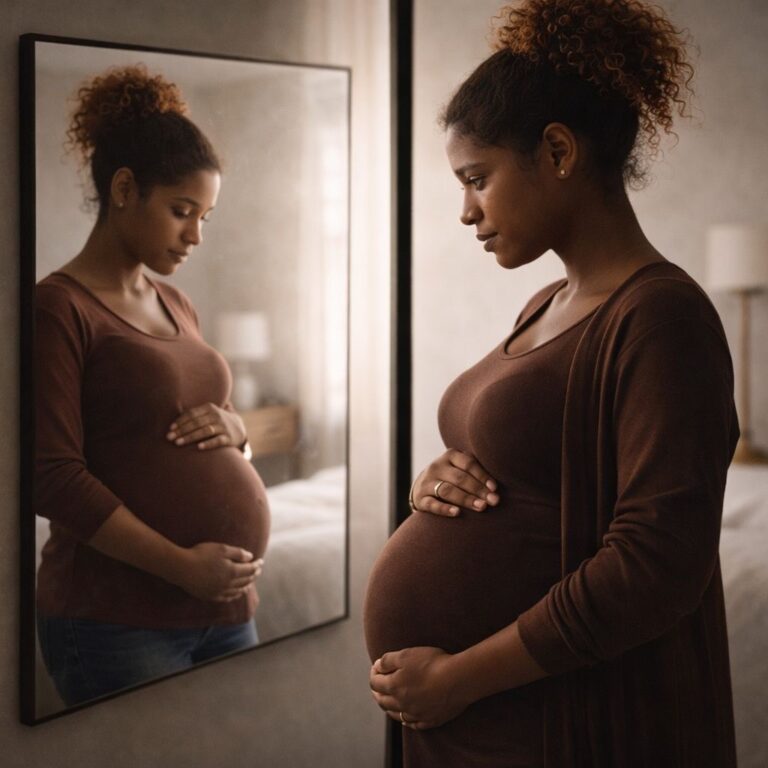
Pregnancy is the term used to describe the period in which a fetus develops inside a woman’s womb or uterus.
A healthy pregnancy is often best supported by planning and health preparation before conception, including nutrition, vaccinations, and medical check-ups..
Take a moment to learn what you can do now to make sure any future pregnancies are planned and healthy. All women can benefit from some basic pre-pregnancy planning.
At Mylurah we’re building a digital platform that centers Black women’s reproductive journeys, including culturally sensitive support for Period, Pregnancy and Postpartum. Because representation in care isn’t optional, it’s essential.
What are the Stages in Pregnancy?
The process of fetal development is complex and well-organized. Pregnancy begins at conception (generally defined medically from the first day of the last menstrual period) and continues until birth; early development begins immediately after fertilization.
Fetal development occurs in three stages: germinal, embryonic, and fetal. Although most people don’t discuss their pregnancies in these ways, it can be useful to know.
Germinal stage
The germinal stage is the shortest period of fetal development. Conception occurs when a sperm and egg unite in the fallopian tube. The sperm fertilizes the egg, producing a zygote. The zygote takes around one week to reach your uterus.
During this voyage, the zygote divides numerous times, eventually resulting in two distinct structures. The embryo and placenta develop from two separate structures. Cell division occurs at a high pace. Eventually, the zygote develops into a blastocyst. The blastocyst travels to your uterus and implants into the uterine lining. If implantation is successful, your body will instantly start generating hormones to support the pregnancy. This will also stop your menstrual period.
Embryonic stage
The embryonic stage lasts from about the third week of pregnancy until the end of the eighth week of pregnancy. The blastocyst begins to take on distinct human characteristics. It’s now called an embryo. Structures and organs like the neural tube (which later becomes the brain and spinal cord), head, eyes, mouth and limbs form.
The cells that will form the fetal heart begin to cluster around five to six weeks and can pulse. Buds that will become arms and legs also form around the sixth week. By the end of the eighth week, most of the embryo’s organs and systems take shape. For a lot of people, this is the point in pregnancy where morning sickness begins.
Fetal stage
The fetal stage of development begins during the ninth week and continues until birth. This is when the embryo officially becomes a fetus. Sex chromosomes are established at conception, but anatomical sex cannot usually be determined by ultrasound until around 18–20 weeks.
Fingernails, eyelashes, and hair also grow. The fetus can move its limbs, though you may not feel it until 20 weeks of pregnancy. The majority of growth in both weight and length occurs during the fetal stage.
Stages of Pregnancy: First, Second and Third Trimester
Pregnancy is divided into three trimesters: first, second, and third. A trimester lasts 12 to 14 weeks, whereas a full-term pregnancy lasts approximately 40 weeks, beginning with the first day of a woman’s last period. During each trimester, the fetus will reach certain developmental milestones.
The First Trimester (0-13 Weeks):
The First Trimester (0–13 weeks) includes the beginning of organ formation and structural development; most major systems start forming. Your body will also undergo major changes, and you may feel nausea, fatigue, breast tenderness and frequent urination. These are all common symptoms, but every woman has her own unique experience.
The Second Trimester (14-26 Weeks):
Known as the “honeymoon period”, the second trimester is when many of the unpleasant symptoms of early pregnancy subside. You’re likely to have increased energy and sleep better. However, some women experience back or abdominal pain, leg cramps, constipation or heartburn.
During the second trimester, an anatomy scan (often around 18–20 weeks) can determine the baby’s sex, though some ultrasounds may see it as early as 14 weeks.
You may feel your baby’s first movements “known as quickening” — usually between about 16 and 22 weeks of pregnancy..
Third Trimester (27-40 Weeks):
You’re nearing the end of your pregnancy and are probably very excited and nervous for your baby’s delivery. During this time, you may feel shortness of breath, hemorrhoids, urine incontinence, varicose veins, and difficulty sleeping. Many of these symptoms are caused by the increased size of your uterus, which grows from about 2 ounces before pregnancy to 2.5 pounds at birth.
By the third trimester, the baby’s bones are fully formed and continue to mineralize and strengthen. As your due date approaches, the baby’s body may shift southward into a head-down position for birth.
WRAP UP
Pregnancy is a remarkable journey that unfolds in three distinct stages, each playing a vital role in the development of new life.
From conception and early formation in the first trimester, through rapid growth in the second trimester, to final maturation and preparation for birth in the third trimester, every phase is essential and unique.
Understanding these stages helps expectant mothers and caregivers provide proper care, make informed health decisions, and appreciate the physical and emotional changes that occur along the way.
Ultimately, the stages of pregnancy reflect the extraordinary process of nurturing life, emphasizing the importance of medical care, emotional support, and healthy living for a safe pregnancy and successful childbirth.


Pingback: PREGNANCY – Mylurah