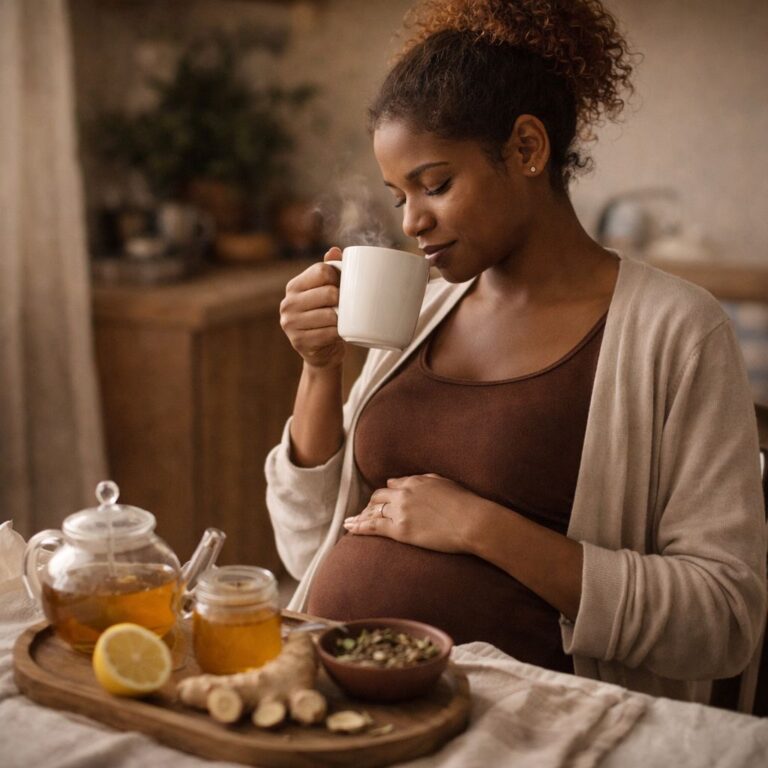
If you’ve ever experienced morning sickness, you know how it can dominate the early stages of your pregnancy. And you aren’t alone.
During pregnancy, many women experience mild nausea, also known as morning sickness.
But just because feeling queasy is common in the first trimester doesn’t mean you have to grin and bear it. There are morning sickness remedies out there. “People do get relief, either by using natural remedies or traditional medications,”
What causes morning sickness?
Not all women experience morning sickness the same way. Some feel queasy only occasionally, and others feel sick all day long but might never throw up. There are a few possible causes of morning sickness.
The pregnancy hormone hCG peaks around the time morning sickness is the worst. Also, estrogen and progesterone levels rise during pregnancy, which relaxes the digestive tract muscles and makes digestion less efficient (and might also cause heartburn).
Sensitivity to odors, your heightened sense of smell during pregnancy can make some scents sickening. Emotional stress and being very tired can trigger nausea.
First-time pregnancy, if your body hasn’t gone through a pregnancy before, the surge of hormones and other changes you’re experiencing might make nausea more likely. It can be hard to get comfortable when you’re pregnant, especially if you’re overheated. Also, if your mom or sister had morning sickness, chances are better you will, too.
Mylurah is your culturally rooted wellness space built for African women tracking their periods, pregnancies, and postpartum healing.
Best foods for morning sickness
While we wish there was a cure for morning sickness, these foods and beverages can help with nausea during pregnancy. For some women, it’s important to proactively eat certain foods to help treat morning sickness before it gets worse; for other expectant mothers, it’s important to eat and drink after vomiting to replace fluids, electrolytes, and calories.
Bland, easy-to-digest foods (bananas, rice, applesauce, toast). High-protein foods (chicken, peanut butter, beans). Cold beverages and snacks (smoothies, almond milk). Ginger, Carbonated beverages, Herbal teas and broth, Fruits and vegetables high in water content (watermelon, cucumbers). Citrus fruits, Peppermint, Foods high in vitamin B6 (salmon, avocados)
High-protein foods
Experts have found that protein-rich foods can help with nausea during pregnancy. Proteins like chicken, peanut butter, and beans can calm the waves of nausea by increasing a hormone called gastrin, which aids digestion.
Other high-protein foods that help with morning sickness are hard-boiled eggs, hard cheeses, nuts and trail mix, lean beef, edamame, and Greek yogurt.
Eating high-protein snacks will also help you meet your increased need for protein during pregnancy since most women need around 60 grams of protein per day.
Cold beverages and snacks
Did you know hot foods and drinks are more likely to have an aroma that triggers your gag reflex? For a smell to be detected by your olfactory system, it needs heat, so the warmer something is, the more it will smell. Cold foods have less fragrance, so they might be more palatable when you experience nausea during pregnancy.
Also, sometimes it’s easier to consume liquids when feeling queasy, so reach for cold drinks to help with nausea during pregnancy. Some good options are cold almond milk (which can also settle heartburn) and smoothies (load them up with healthy stuff!) If you’re having trouble keeping liquids down, try sorbet, frozen yogurt, popsicles, chilled fruits, and ice cream.
Ginger
Ginger has been extensively studied and commonly used in Chinese medicine for hundreds of years to treat nausea and vomiting, so it’s worth giving it a try when you’re feeling queasy. Sometimes just the smell of fresh ginger can calm an upset stomach.
You’ll want to ensure the foods and drinks you’re consuming contain real ginger (check labels; some prepared foods don’t use real ginger.) Try ginger ale, ginger tea, ginger snaps and candies, ginger biscuits, and crystallized ginger. Use fresh ginger when you’re cooking soups and stir-fries.
By joining MyLurah community group, you can take advantage of the platform and improve your chances of meeting people of like mind who are ready to listen to you and offer solutions anytime.
Carbonated beverages
Some pregnant women find mineral water and other carbonated beverages are good morning sickness remedies. The carbonation can help reduce the total acidity of the stomach, making nausea dissipate. Mineral water comes in countless flavors, and you can add your own fruit infusions. Sugary carbonated sodas can also help with pregnancy nausea, but make sure to drink those in moderation.
Remember, carbonation can lead to feeling fullness more quickly than other beverages, so you should sip them slowly and pay attention to any unpleasant side effects like bloating. It can also be helpful to drink fluids a half hour before or after a meal, not with the meal. And make sure to drink small amounts of fluids throughout the day to avoid dehydration.
Fruits and vegetables high in water content
As we’ve said, one of the greatest strategies to prevent morning sickness in the early stages of pregnancy and beyond is to keep hydrated. Try consuming fruits and vegetables that are high in water content when drinking fluids exacerbates the situation. Some worthwhile choices to consider are tomatoes, apples, cucumbers, peaches, and celery. Watermelon, lettuce, cantaloupe, and strawberries
When nothing else helps with morning sickness, some pregnant women claim that watermelon is the greatest fruit. Not only is it tasty and refreshing, but its minerals can aid in avoiding cramping in the muscles and relieve heartburn and edema. Watermelon is a great source of vitamins A, C, and B6, potassium, and magnesium for your developing baby. These nutrients are critical for your kid’s brain, neurological system, immune system, and vision.
Citrus fruits
Try sniffing a lemon when you’re not sure what to eat when you’re nauseous and pregnant. Researchers have found that sniffing lemon scented aromatherapy reduces nausea in pregnant women.
Lemons and other citrus fruits in moderation are safe for you and your baby during pregnancy, so add them to your shopping list.
By joining MyLurah community group, you can take advantage of the platform and improve your chances of meeting people of like mind who are ready to listen to you and offer solutions anytime.
Wrap Up
Morning sickness can make early pregnancy challenging, but the right foods and drinks can make a big difference. Simple, gentle choices like bland meals, ginger, citrus, or peppermint can help calm nausea, while staying hydrated with cold fluids, herbal teas, and water-rich fruits keeps you energized.
Every woman’s body responds differently, so it’s important to listen to your body and find what works best for you. Most importantly, remember to eat small, balanced meals and seek your doctor’s advice if nausea becomes too frequent or severe. Nourishing yourself well is one of the kindest things you can do for both you and your growing baby.
Read Also: